Travelling in Australia doesn’t come cheap. And Sydney is reputed to be the most expensive city in the country. However, there are plenty of things to do which don’t cost a cent.
Being married to a true blue Aussie, living in Sydney during the ‘noughties’, and now regularly holidaying to the city with our two children, it is about time we wrote about some of the free activities that we particularly enjoy.
Walk across the Harbour Bridge and explore The Rocks
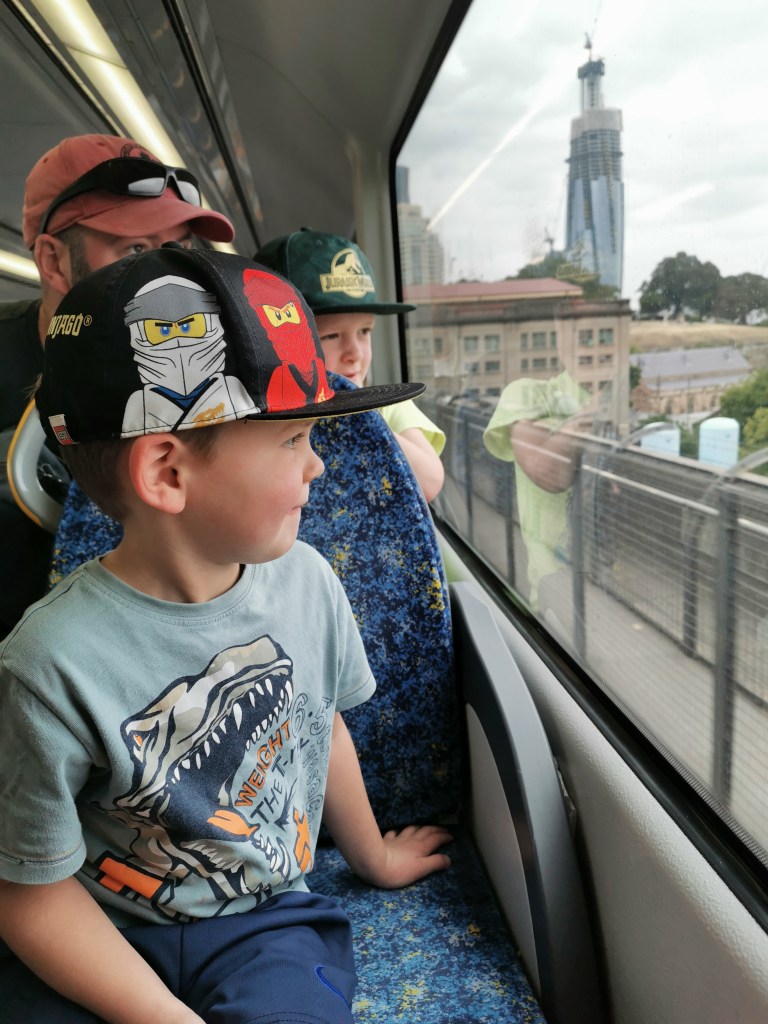
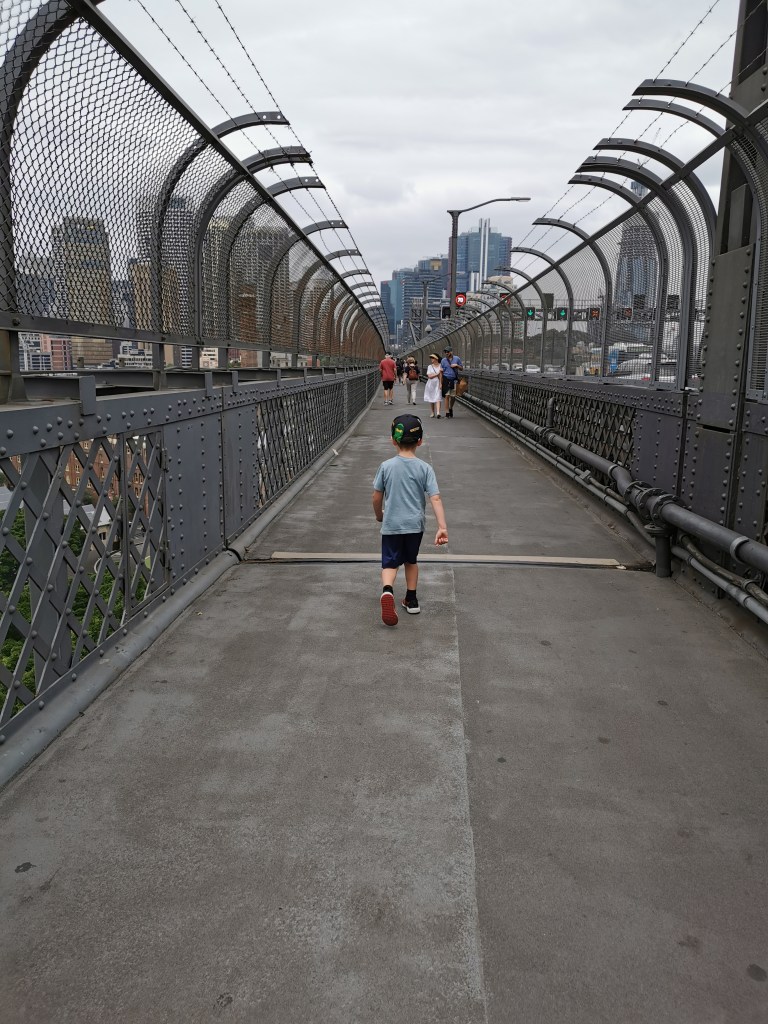
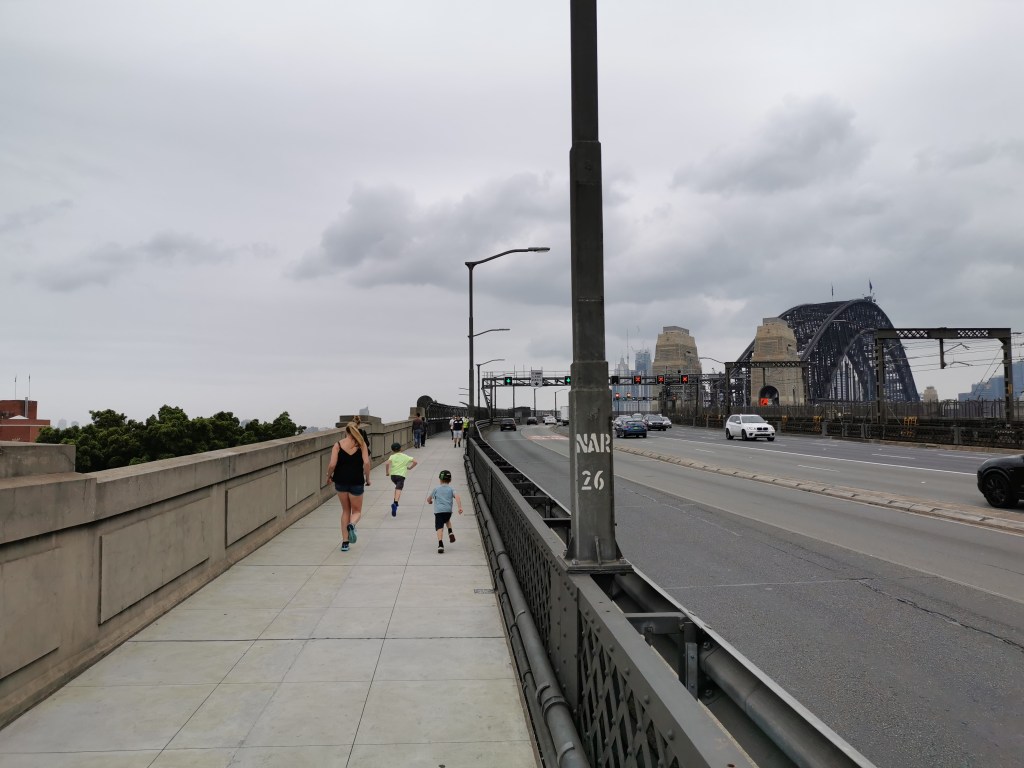
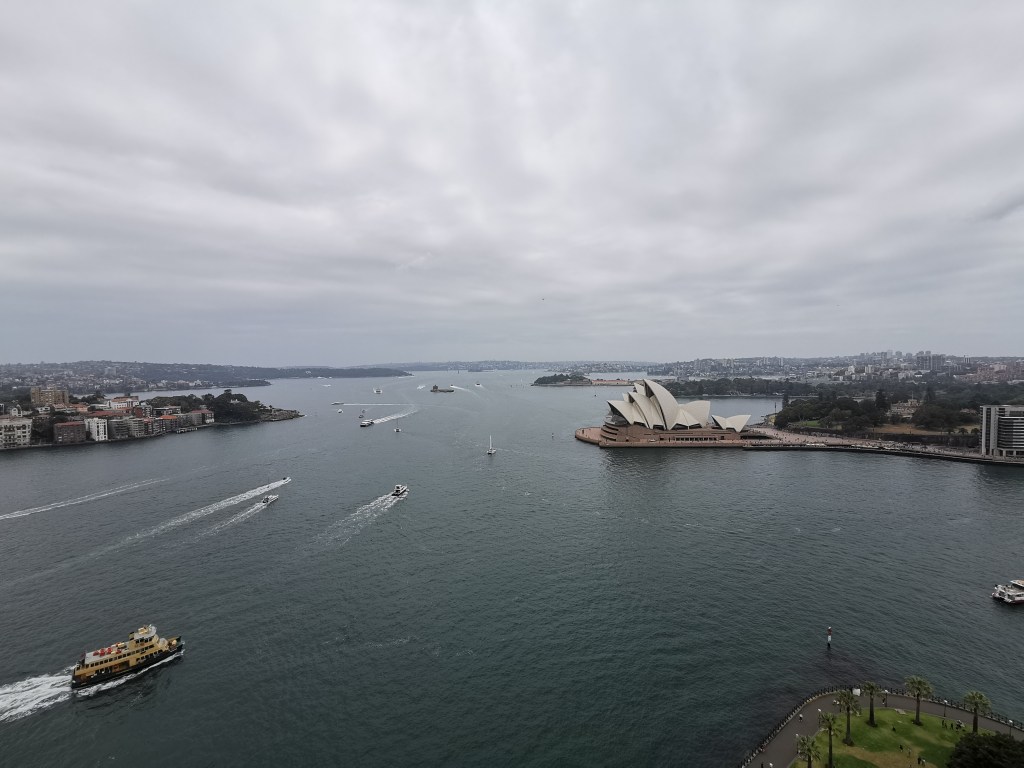
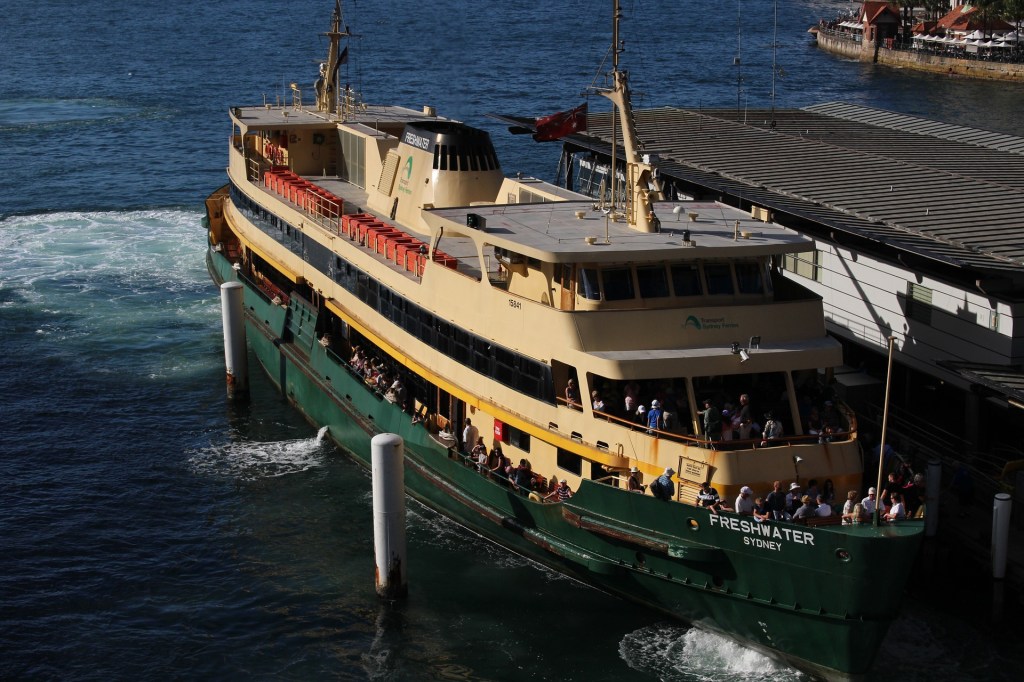
Catch the train to Milson’s Point and walk back toward the city centre along the pedestrian pathway on the East side of the bridge. The walk is just over a kilometre and takes about 20 minutes. You will get a great view of the Opera House and spot the recognisable green and gold Sydney Ferries leaving a trail through the harbour water.
At the end of the bridge use the ‘Bridge Stairs’ to take you onto Cumberland Street in The Rocks area of the city. There is a very colonial feel here and it is worth taking the time to explore the cobbled lanes and some of the country’s oldest pubs. Most pubs and restaurants have good value lunch specials so this is the perfect place to refuel after walking the bridge.
Splashing out
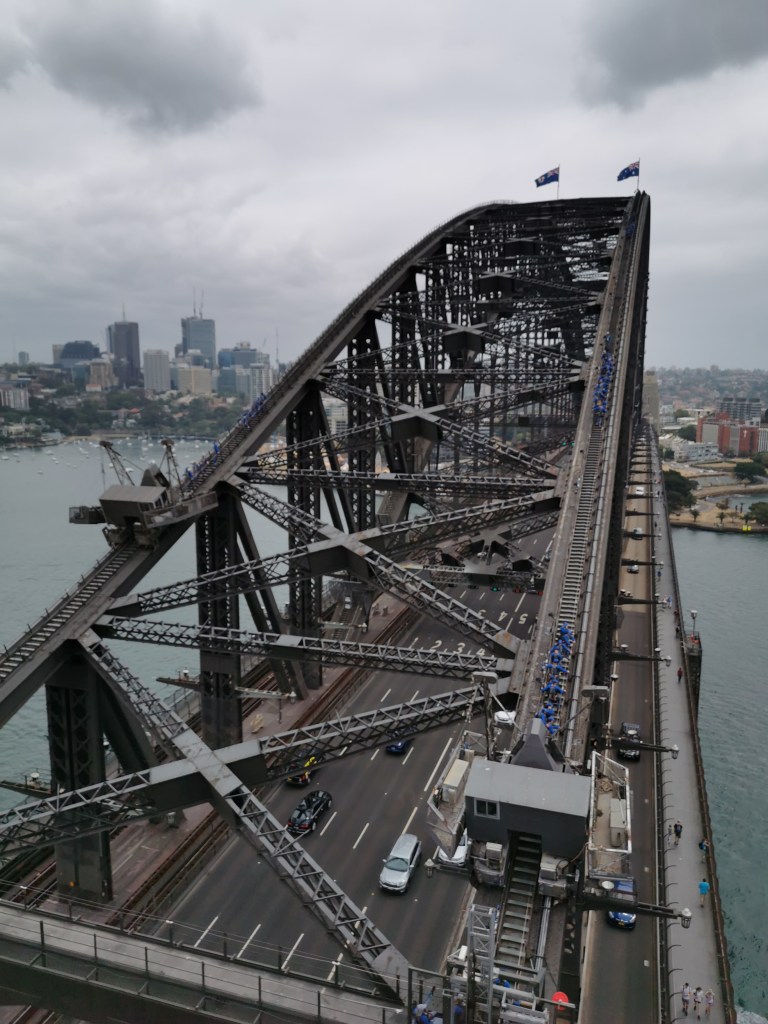
At the end of the Harbour Bridge is the Pylon Lookout which you are able to climb. It costs $19 per adult, $9.50 for children 5-12 years, and is free for kids four or under. The lookout provides a spectacular view of the bridge structure itself and the vast harbour.
No expense spared
Brave the BridgeClimb for views from 134 metres above the Harbour. To enjoy 360 degree views of probably the most iconic harbour in the world takes 1390 steps, three and a half hours….oh and a mere $268 – $403 depending on the date and time of your climb. But the views from 134 metres above the Harbour are mind-blowing. There are several sets of ladders below the road deck to reach the upper part of the bridge. These are the most daunting sections of the climb. Once on top of the bridge structure it is easy climbing to the summit. Children over eight years old and 1.2 metres are able to climb but must be accompanied by an adult. The cost for a child ranges from $188 – $293. All climbs need to be booked in advance and get booked up quickly during busy periods.
Visit the Royal Botanic Gardens
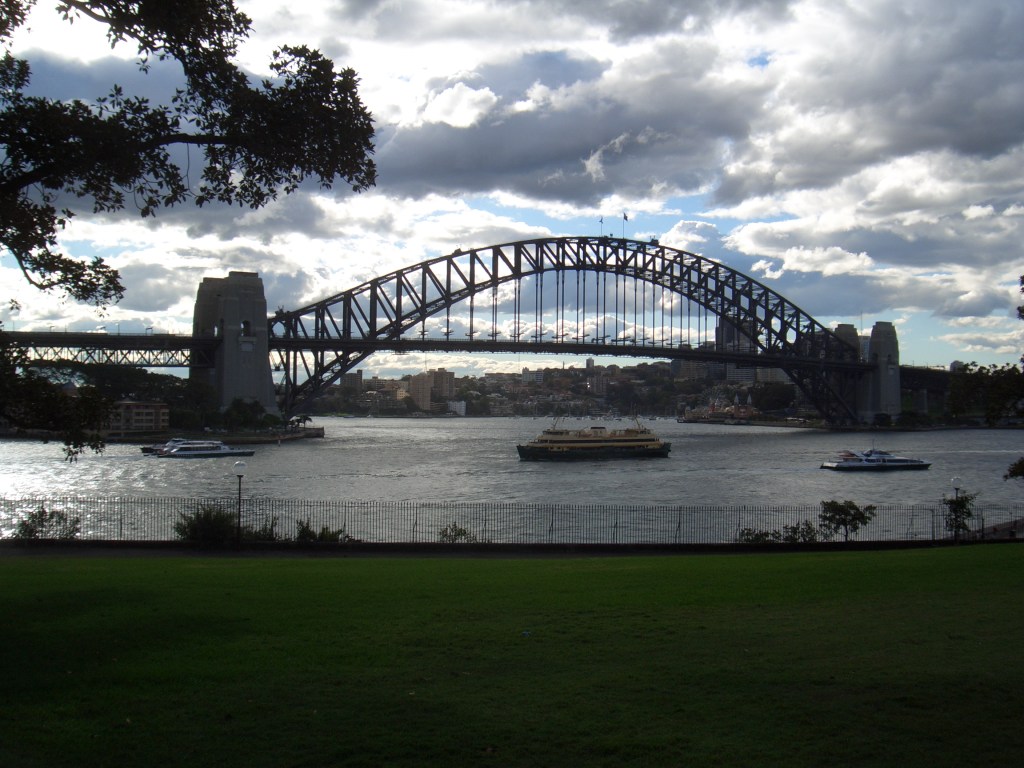
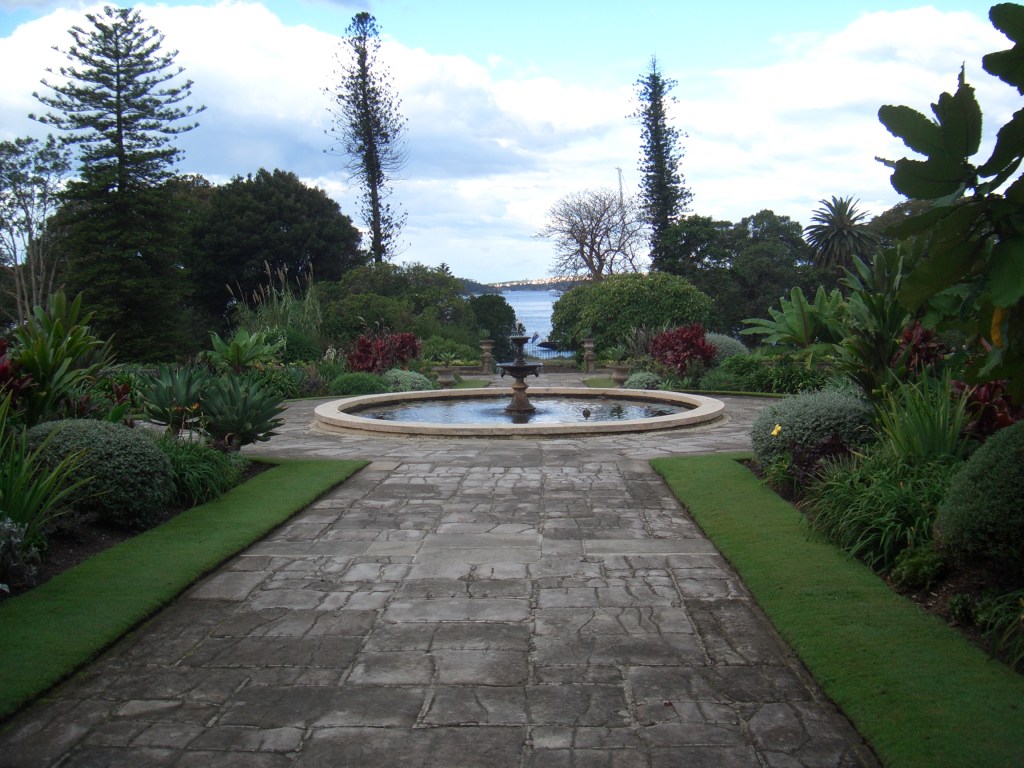
The Royal Botanic Garden is a calming oasis is the middle of a vibrant city, and home to thousands of plants. I used to work in the CBD just off Martin Place and would regularly take a stroll, or sit and have my lunch in the garden. If you walk to Mrs Maquarie’s Chair you will have the perfect view back on the Harbour Bridge and Opera House. There are free guided walks which run daily at 10.30am.
The Royal Botanic Garden is a five minute walk from Sydney’s CBD. The nearest station is Martin Place. St James and Circular Quay are also a short walk away. Alternatively if you arrive by ferry into Circular Quay you can enter the Royal Botanic Garden at either the Opera House Gate of the Queen Elizabeth II Gate.
Splashing out
Join one of the many tours, walks, talks or workshops that operate within the Royal Botanic Garden. For more information see the What’s On page on the website.
Play in Darling Harbour
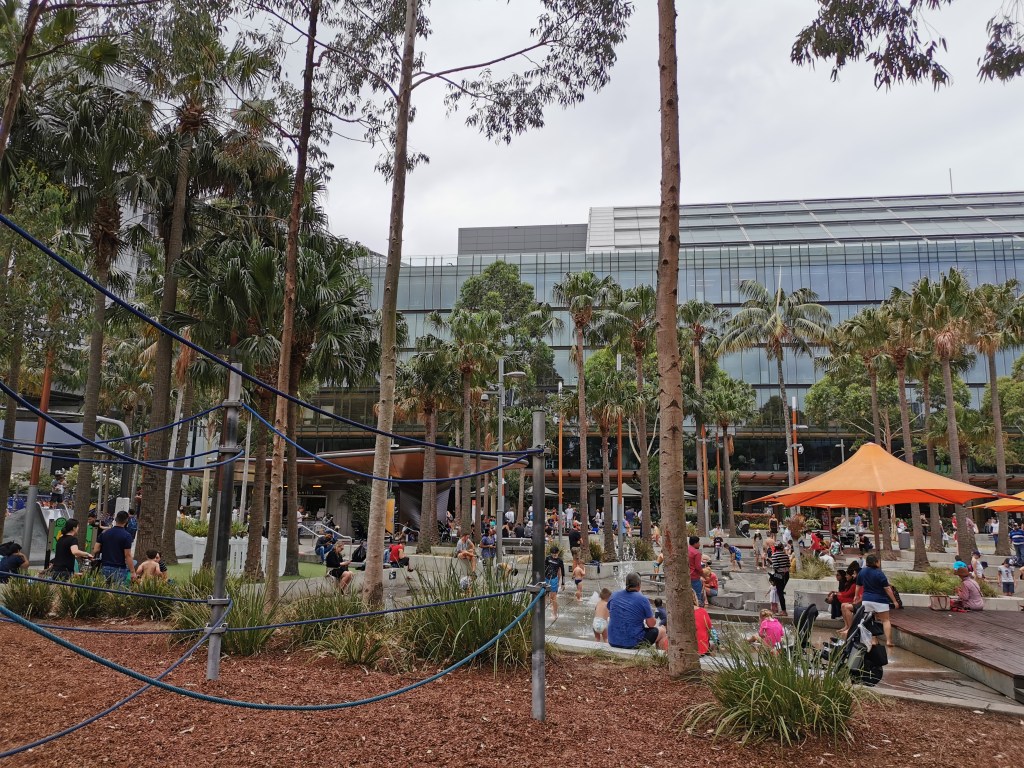
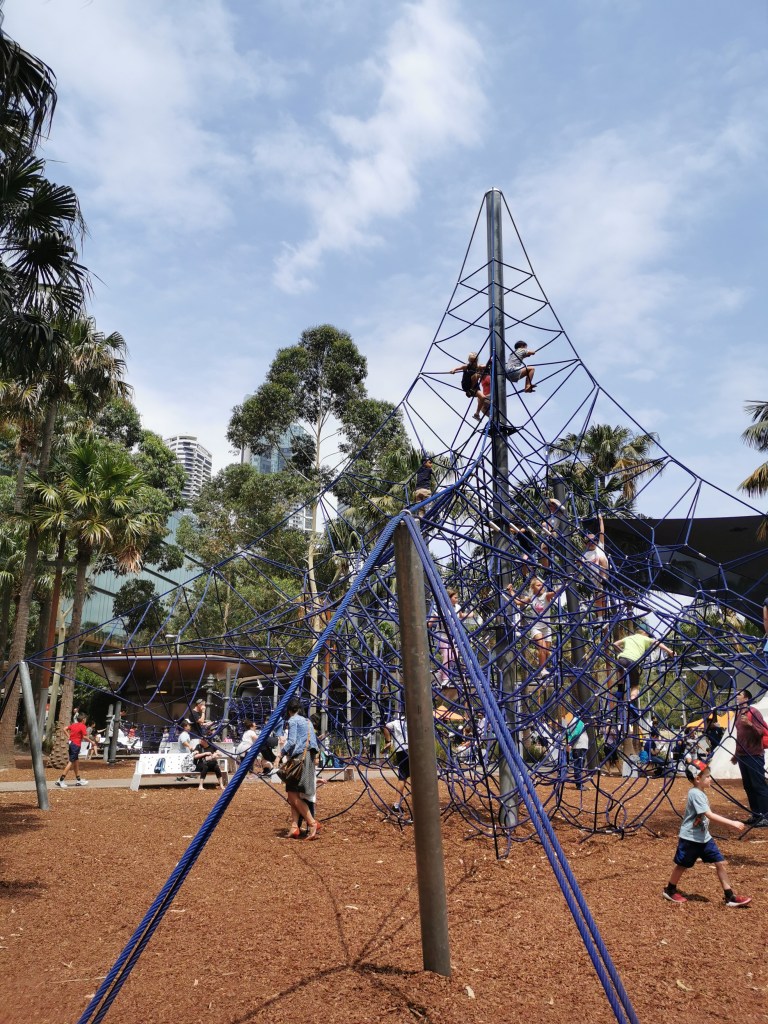
Darling Harbour is host to one of the best kids playgrounds in the city. A five hectare park which includes swings, slides, climbing frames, a 21 metre flying fox, and water play. It provides the kids with hours of fun and is the perfect spot to grab a coffee from one of the surrounding cafes. Public toilets are located on the park’s fringes.
Splashing out
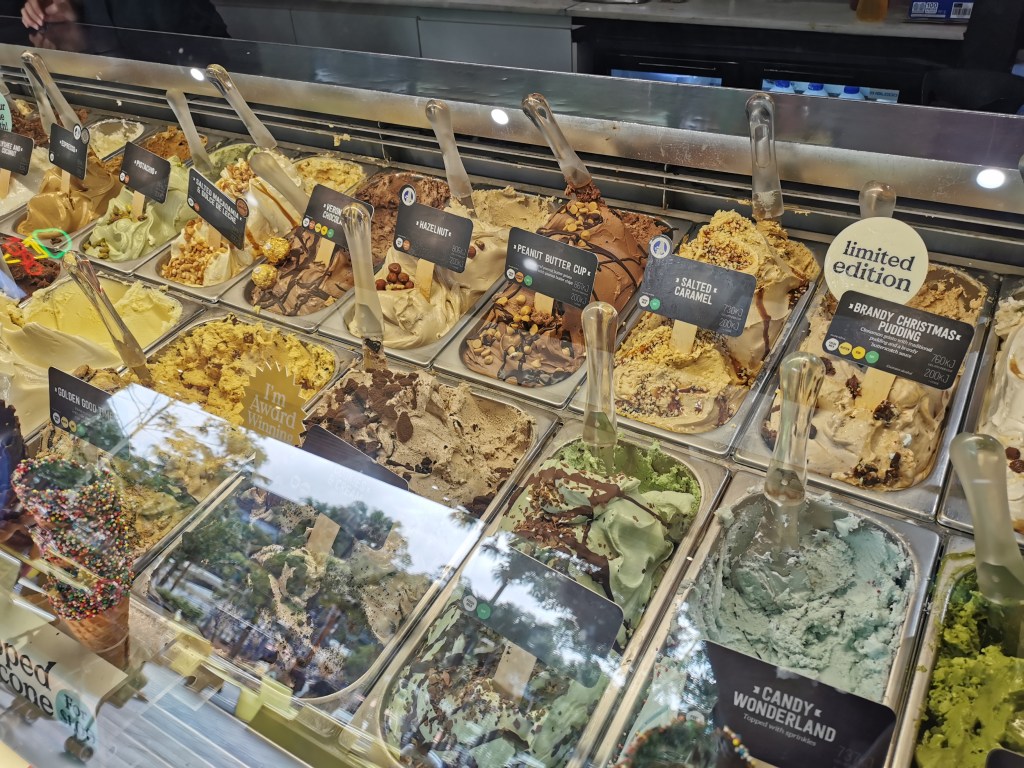
Holidays never seem to be complete without the daily ice cream. If you are looking for a real treat then head to Gelatassimo on the edge of the playground. Their ice cream is made fresh daily and uses no artificial colours or flavours. They can also accommodate various dietary requirements and allergies. Not the cheapest gelato in town at $5.50 for a one scoop cone but they certainly are delicious.
Get sporty at Sydney Olympic Park
Sydney Olympic Park was initially developed for the 2000 Olympic and Paralympic Games. Once the games had finished it was transformed into a multi-purpose facility. The urban parklands run along the Parramatta River and with a number of free attractions and events throughout the year is a great place to visit. We particularly recommend:
- The Brickpit Ring Walk– This is an 18.5 metre high metal walk way around what was once the State Brickworks. Due to being inhabited by the Green and Golden Bell Frog it became a protected area during construction of the Olympic Park. If you aren’t keen on heights this is perhaps not the walk for you. But if you want to get your adrenaline pumping and have a keen eye for frog spotting then it is a great attraction.
- Bicentennial Park – This beautiful 36 hectare parkland includes playgrounds, water play area, free barbecues, picnic pavilions, eight kilometres of pedestrian and cycle pathways, and the Treillage Tower with a high platform providing views across Sydney Olympic Park. If you are looking for a more relaxed pace then head to the Waterbird Refuge to watching exotic birds on Lake Belvedere. Or stroll along boardwalks through the Badu Mangroves offer a chance to learn more about this ecologically significant estuarine wetland system.
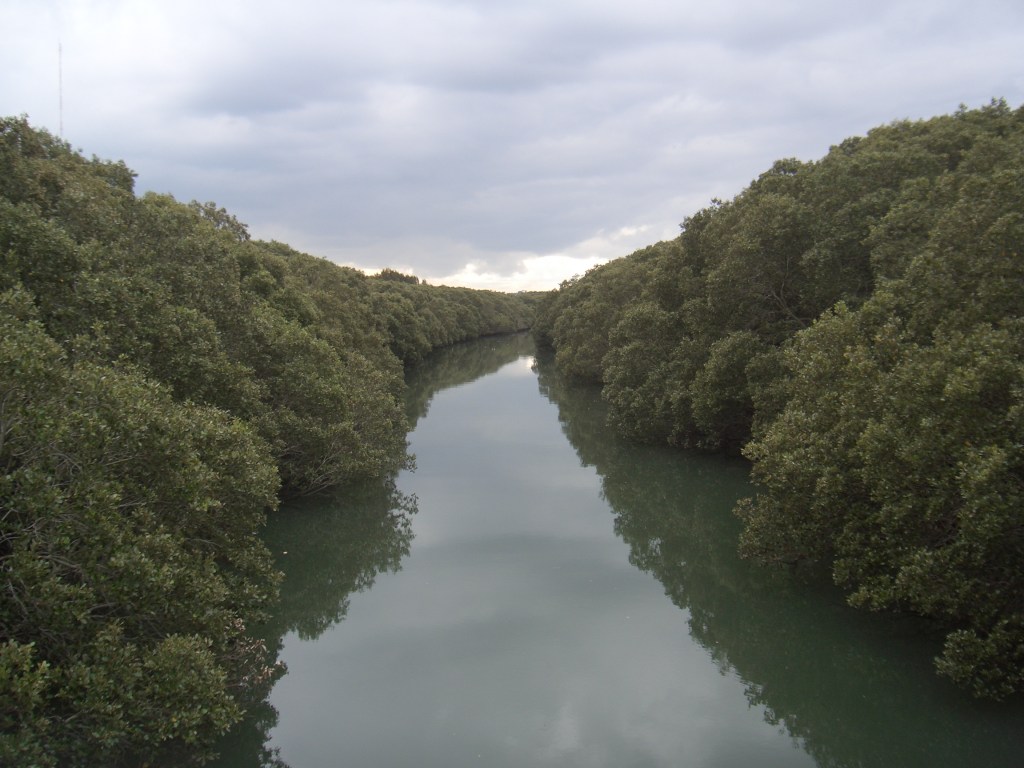
The Badu Mangroves are a vital ecosystem in the middle of an urban environment
Splashing out
With 35km of scenic and safe cycleways hiring bikes will really make the most of your visit and allow you to see as much as possible. Bike hire is available from Bicentennial Park and Blaxland Riverside Park. There is no need to prebook and helmets are included free, and are compulsory. At time of writing, bikes cost from $10 per hour for kids and up to $20 per hour for adults.
Catch a wave at Bondi Beach
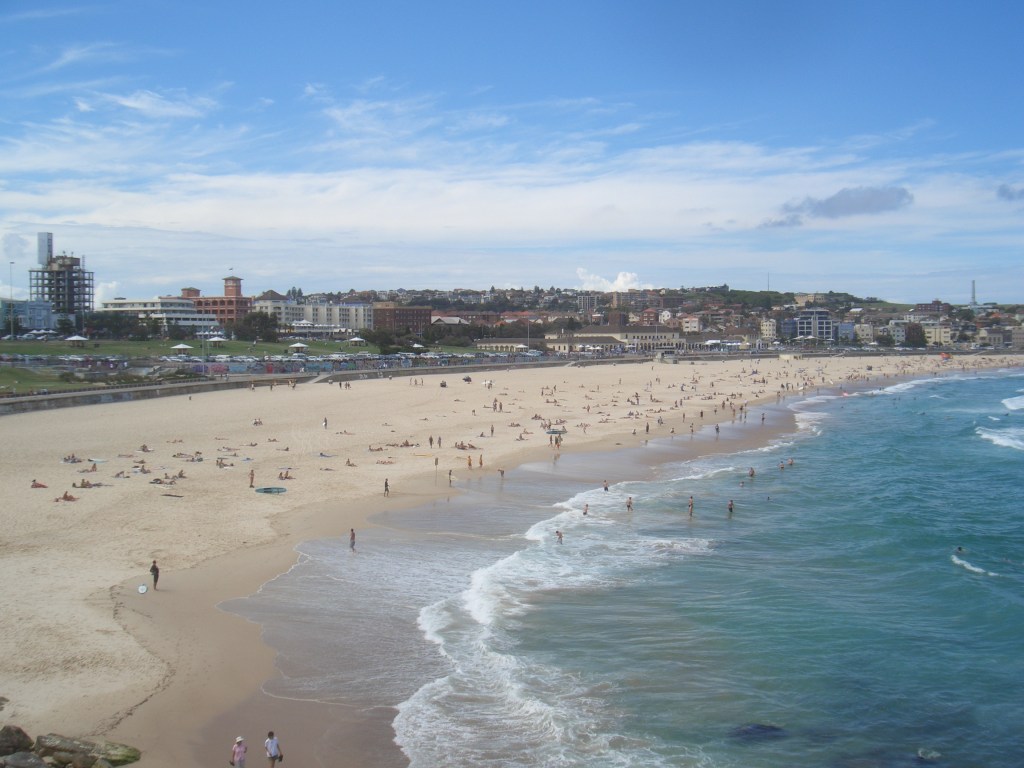
One of the most famous beaches in Australia, you couldn’t get more Aussie than taking a morning swim at Bondi. Stretching for one kilometre this busy beach is a popular spot for locals and tourists. Surf Life Saving Australia (yep those guys from TV show Bondi Rescue) patrol the beach and have graded areas of it with various hazard ratings (1-10). The Northern end of the beach is graded a four (relatively calm), the southern side is rated as seven due to the infamous “backpackers rip”. Please stay safe, always swim between the red and yellow flags and listen out for announcements from the surf lifesavers.
While not actually in the centre of Sydney or walkable from the CBD as many assume, it is quick and easy to travel to Bondi Beach by public transport. Set to the East of the CBD you can catch a train from Central Station which runs through Town Hall, Martin Place, Kings Cross, Edgecliff and finally Bondi Junction. From Bondi Junction you then catch the 380, 381, 382 or 333 bus to Bondi Beach.
It is also possible to catch a bus direct from Martin Place Station to Bondi Beach. Services operate daily and depart every 10 mins. The journey takes approximately 40 minutes.
Splashing out
For those who prefer a calmer swimming experience then make your way to the Bondi Icebergs pool to the South of the beach. These pools are reputed to be the most famous and most photographed swimming pools in the world. They were built 100 years ago initially for surf lifesavers to train during the winter months. Admission costs $9 per adult and $6 per child under 12. Alternatively you can get a family pass for $25. Admission includes use of the adult pool, kid’s pool, hot showers, sauna and changing facilities.

Walk the coastal path from Bondi to Coogee
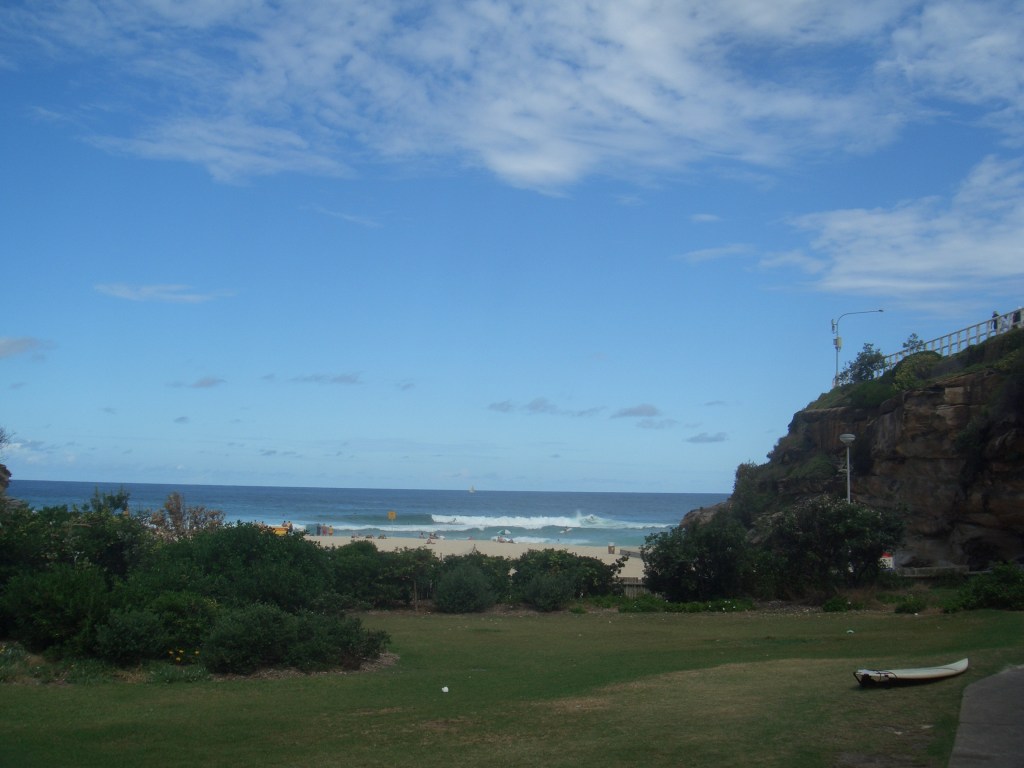
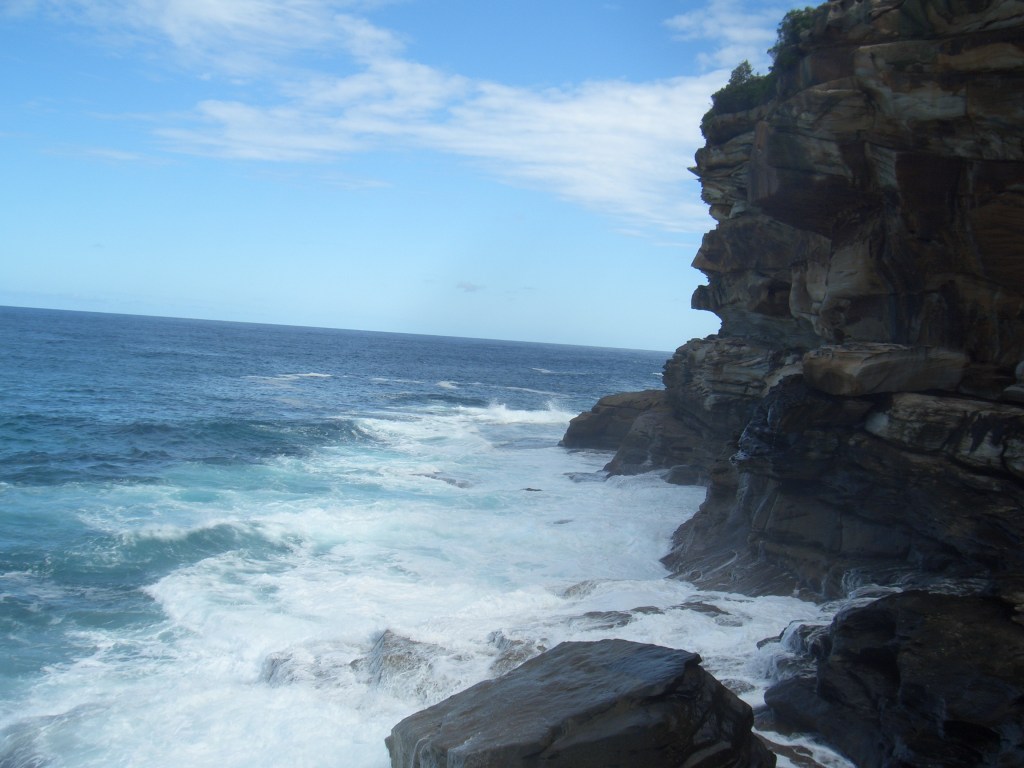
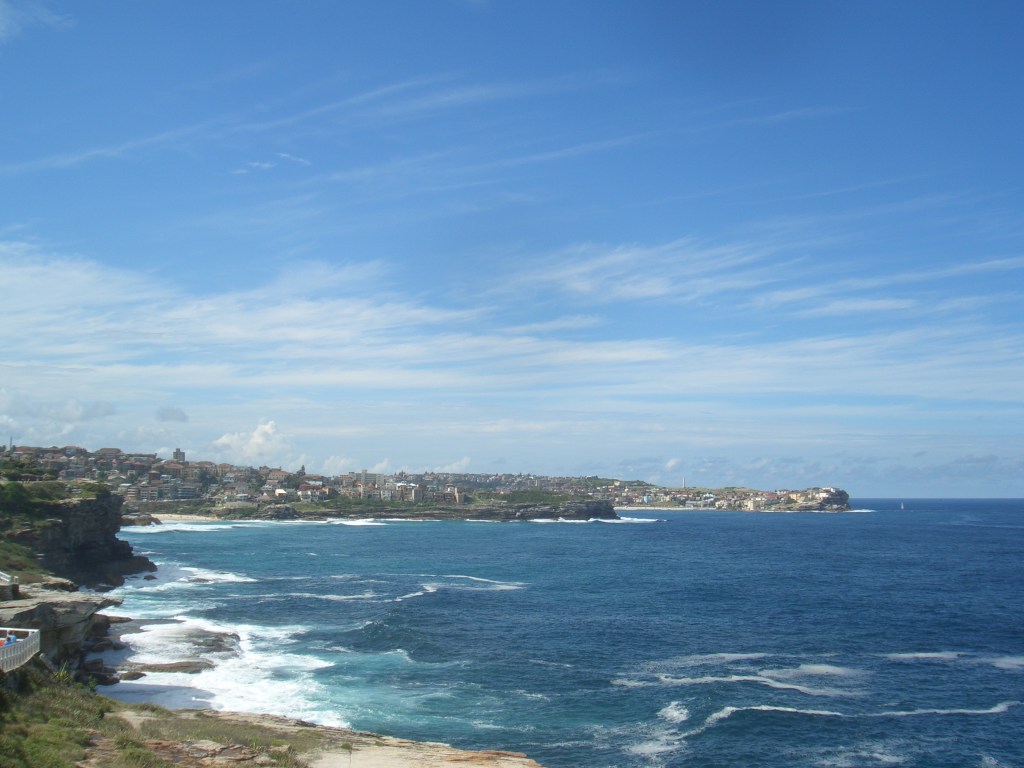
From Bondi Beach there is a wonderful Eastern Beaches Coastal Path to Coogee Beach. This route is very popular with locals and takes in Tamarama, Bronte, and Clovelly before reaching Coogee. There are beaches, cliff top viewpoints, parks, cafes, water fountains to refill bottles, and toilets along the route. From Coogee it is possible to catch a bus back into the CBD. Or if you fancy stretching your legs a little more you can continue for another 3km to Maroubra.
See where Australian surfing began at Manly
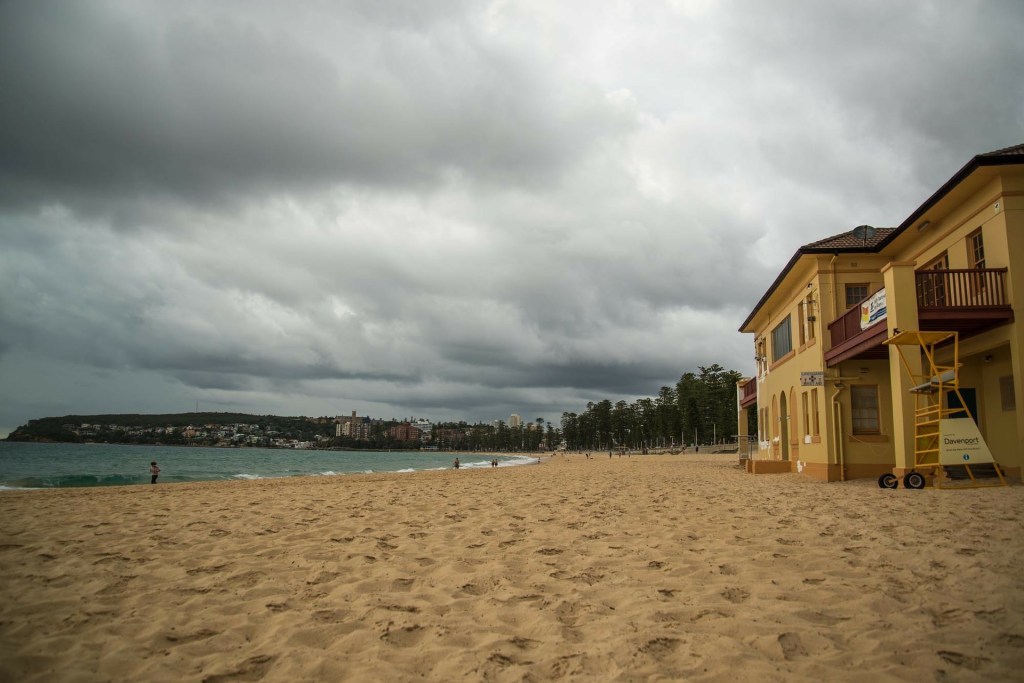
Take the 30 minute ferry ride from Circular Quay to Manly for the best views of the harbour. Once you arrive in Manly you will forget that you are in a major city. The ferry wharf is connected to the beach by The Corso. This pedestrian walkway is buzzing with activity. It is lined with shops, restaurants, pubs and cafes. There is also a children’s playground and water play. It is a mecca for Sydney’s buskers and with plenty of seating around it is the perfect place to soak up Manly’s laid back beach vibe.
Manly is a popular spot for surfing and neighbouring Freshwater Beach was where Australians were first introduced to the sport by Hawaiian Duke Kahanamoku. There is a wormhole through the cliff dividing Manly and Freshwater beaches which was created by fishermen over a century ago. Keen surf historians will appreciate the statue of Duke Kahanamoku at the Northern end of Freshwater beach.
For more sheltered swimming head to smaller Shelly Beach at the southern end of Manly. From here it is possible to walk up to Shelley Head Lookout, or for the more energetic Shelly Headland Upper Lookout.
If seawater pools are more your thing then visit Fairy Bower Sea Pool located between Manly and Shelly beaches along Marine Parade. Renowned for its clear, calm water this 20 metre triangular rock pool was built by local residents in 1929.
Splashing out
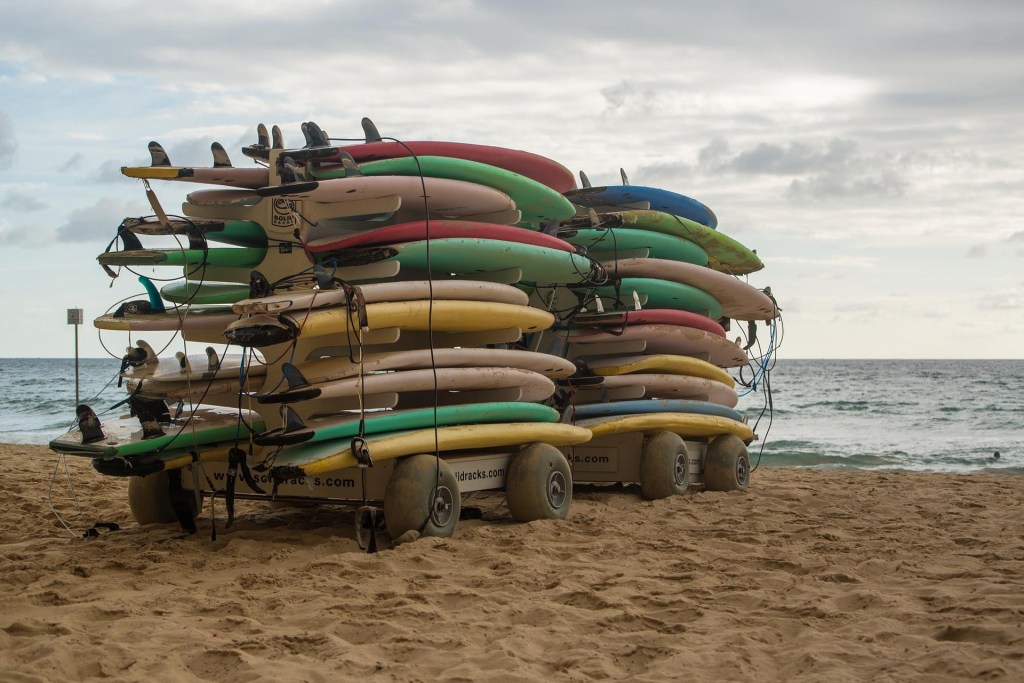
If you fancy trying your hand at surfing on Australia’s original surf beach then head to Manly Surf School. They provide group or private lessons for adults and children with prices ranging from $70 to $125.
Watch fireworks from Darling Harbour
Darling Harbour hosts fireworks every Saturday night at 9pm. The promenade at Cockle Bay Wharf provides the perfect vantage point and has plenty of room for families to watch together.
Splashing out
Treat yourself to dessert at the Lindt Café after the fireworks. They have a mouth-watering menu of cakes, pastries and ice cream.

Get value for money on Sydney’s public transport
There are various ways that you can pay to use public transport in Sydney, the Blue Mountains, Central Coast, the Hunter Valley and Illawarra region.
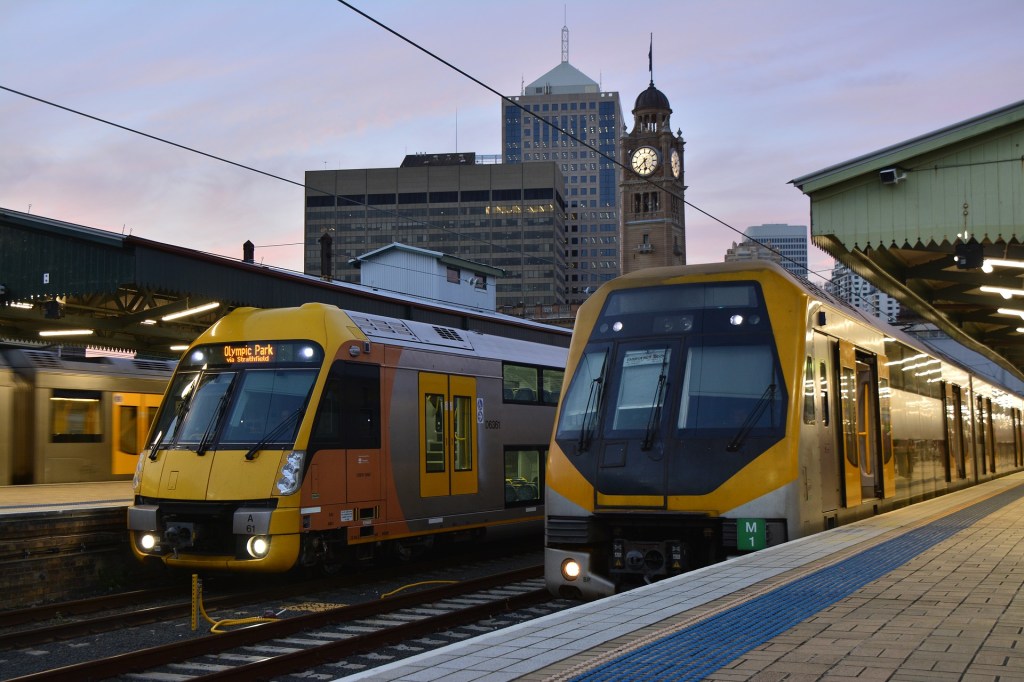
Like most cities Sydney transport uses a travel card system called Opal. You can get an Opal card from Opal Retailers, including convenience stores and newsagents. There is no charge for the Opal card but there are minimum top up amounts. If you are travelling with children aged four to sixteen make sure that you get them a child Opal card. Children under four travel for free.
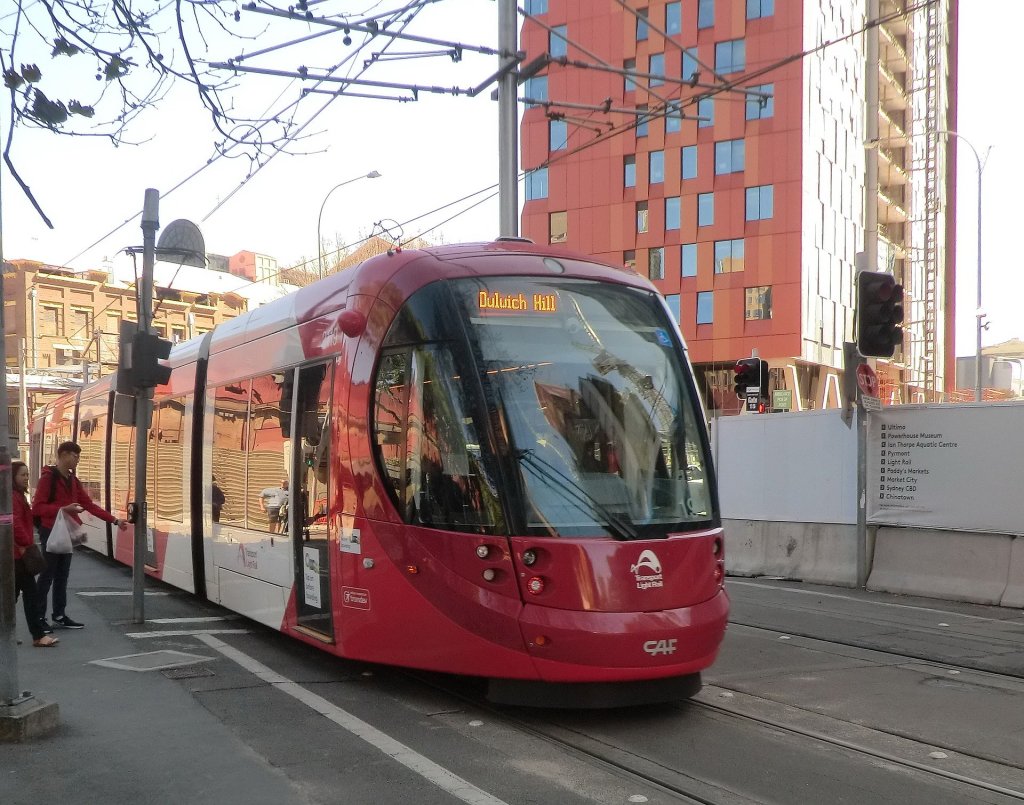
You can use your Opal card on metro/train, bus, ferry or light rail services in Sydney and the surrounding suburbs. Tap it on the pads when you enter and exit a station, bus, or ferry wharf. The daily charge for travel is capped at $16 for an adult and £8 for a child. On Sunday there is a universal $2.80 cap for all travellers. So if you happen to be in Sydney over the weekend this is a good day to explore areas which require a lot of public transport.
If you know that you are going to reach the travel cap for the day then go ahead and really make the most of the various services. One journey which we did recently was to take the ferry from Circular Quay round to Darling Harbour. You get to sail under the Harbour Bridge, past the new development of Barangaroo, and in front of Balmain’s enviable residential area.
Once you have finished your trip you are able to either keep the card if you plan to visit again, pass it to friends or family, or get a refund – but only if you have an Australian bank account and address. If none of these are an option then only top up the minimum amounts each time and keep an eye on your balance. This will show every time you tap your card when making a journey, or you can check it at an Opal top up machine.
Alternatively you can tap on and off using your contactless debit or credit card. This will charge for an adult fare so is not suitable if you are travelling with children and want to pay a child’s fare. Also worth noting is if your card was issued overseas your bank may charge you a foreign transaction fee as well.
What are your favourite things to do in Sydney for free?

 Inspiring Adventure
Leave a comment