Iceland has been on our bucket list for years. We decided that 2024 would be our year to visit, but with reports of reoccurring volcanic activity we weren’t sure it was the best time. After reviewing official advice, we decided we would go over May half term and booked our flights with EasyJet in March – just as there was another large eruption. I suspect this meant our flight prices were lower than usual!
May was a brilliant time of year to visit. We had around 20 hours of daylight, daytime temperatures between 12-15˚C, and fewer crowds than during the peak summer months.
We stayed in a two bedroom house in Hveragerdi, booked through Airbnb. This provided the perfect base to explore from. Our rental car was booked through Firefly and provided complete flexibility to sightsee and also get a little off the beaten track.
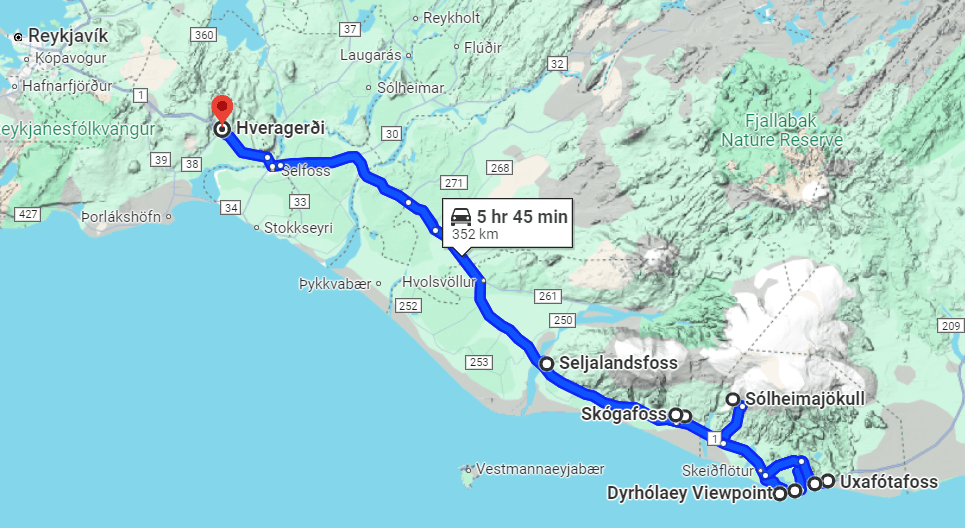
Below is our itinerary for six days in Iceland. We planned it to avoid the volcanic zones and focussed mainly on the Golden Circle and South Coast.
Day 1: Reykjavik
We flew into Keflavik airport, picked up our rental car and drove to Reykjavik, the capital of Iceland. The drive was about 50 km and took 45 minutes.
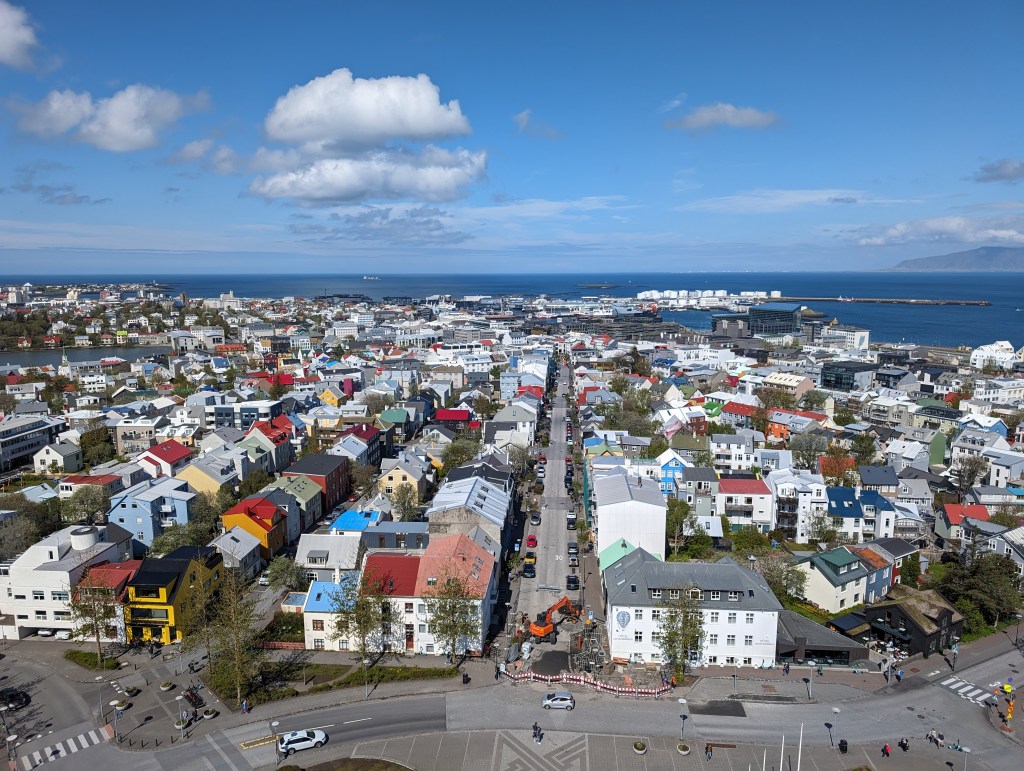
Reykjavik is a vibrant city with a lot of cultural and historical attractions. We parked near the Maritime Museum and walked through the harbour, into the main part of the city. We only had half a day, but visited the following places:
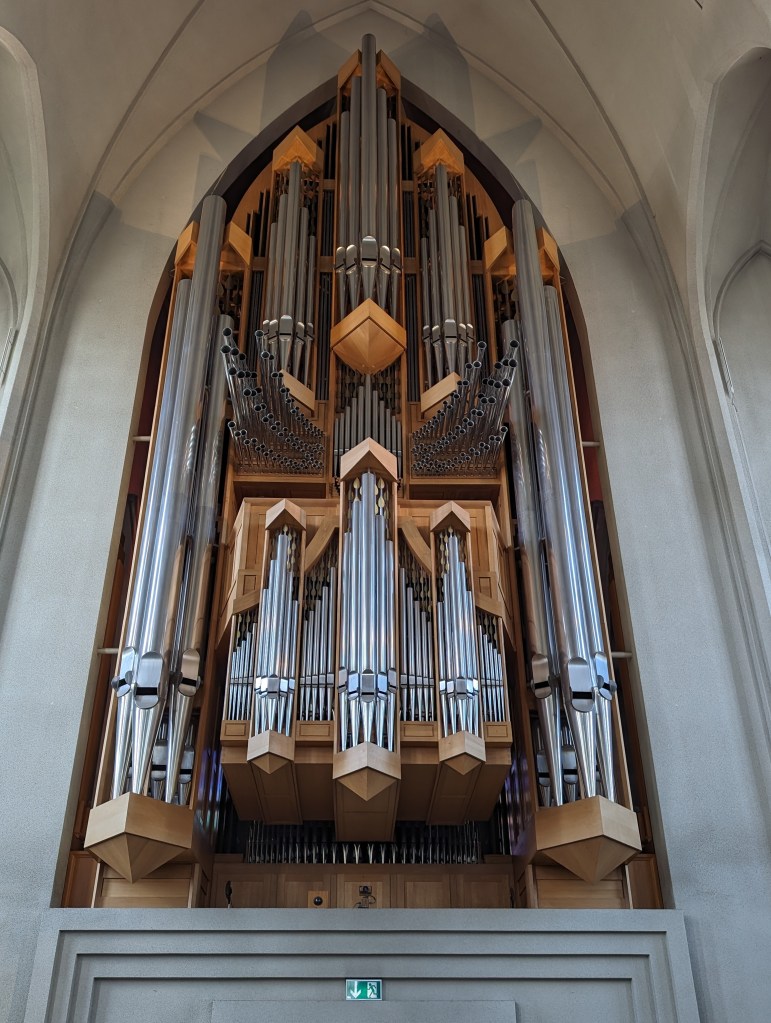
Hallgrímskirkja
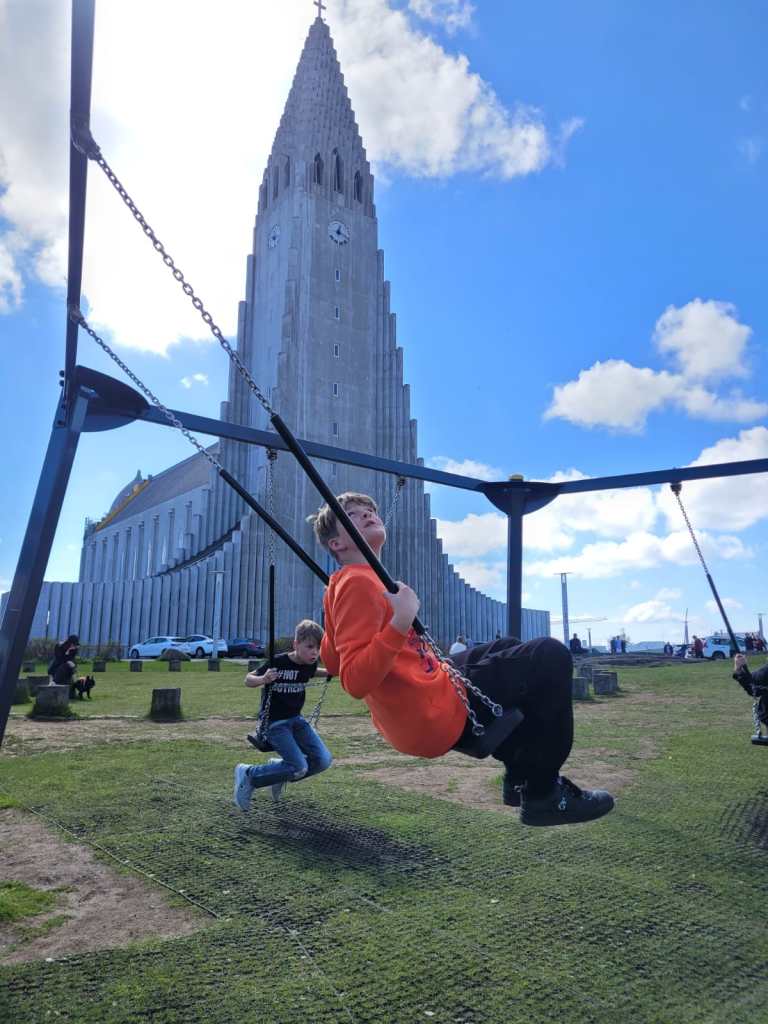
This iconic church is one of Reykjavik’s most recognizable landmarks. Its unique design is inspired by Iceland’s basalt lava flows. You can take an elevator to the top for panoramic views of the city. The organ within the church stands at an impressive 15 metres tall and has 5,275 pipes.
Next to the church is a hotdog kiosk which serves the famous Icelandic hotdogs – definitely worth trying! And a small playground which the boys enjoyed.
Laugavegur Street
The main shopping street in Reykjavik, lined with boutiques, cafes, and restaurants is great for shopping, dining, and experiencing the local culture.
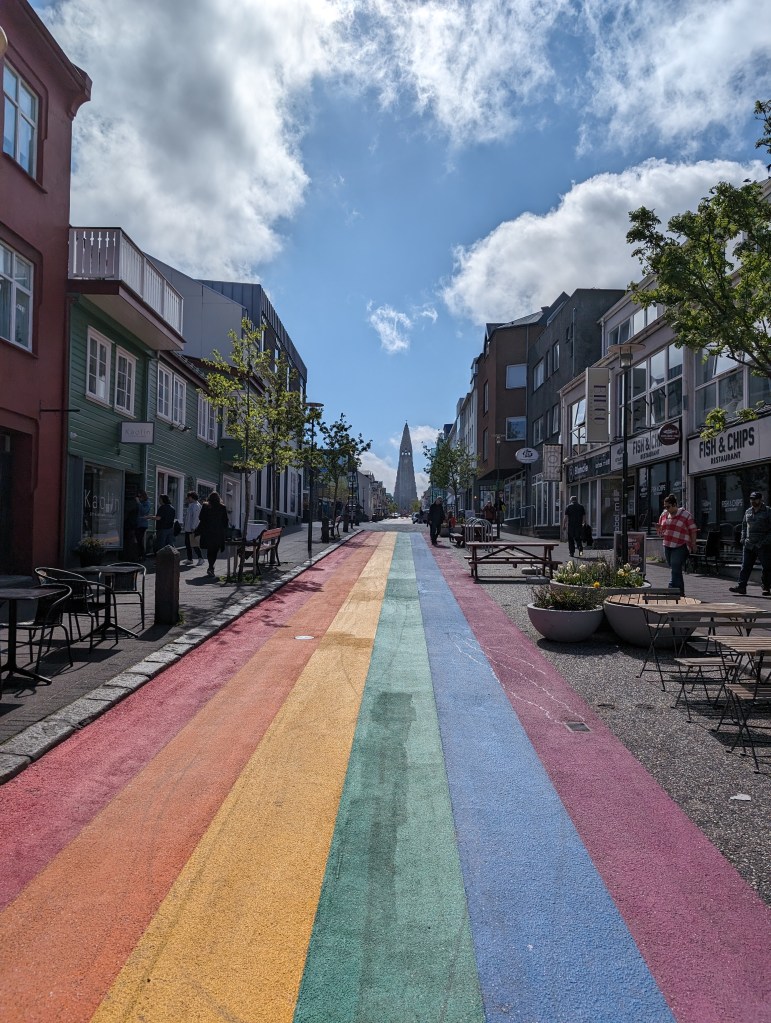
Rainbow Street
Officially known as Skolavodustigur, it is a colourful street located in the heart of the city. It runs from Hallgrimskirkja to the main shopping street of Laugavegur. The street was painted in rainbow colours to celebrate Reykjavik Pride and symbolises the city’s support for diversity and inclusivity. The street is lined with shops, cafes and restaurants.
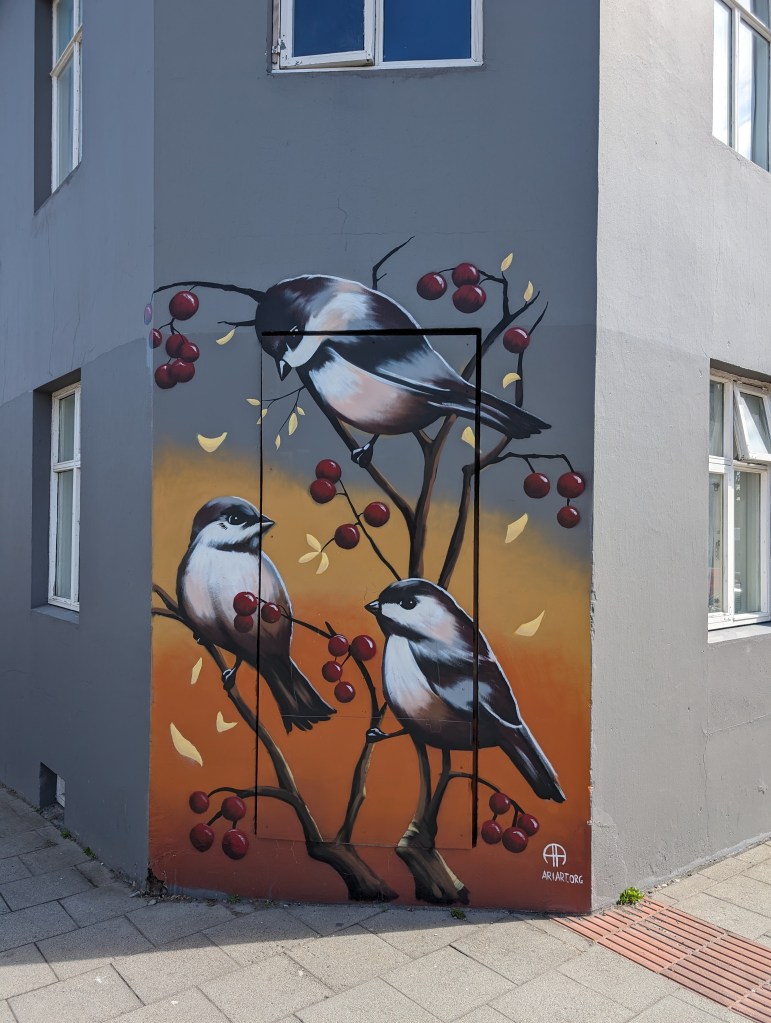
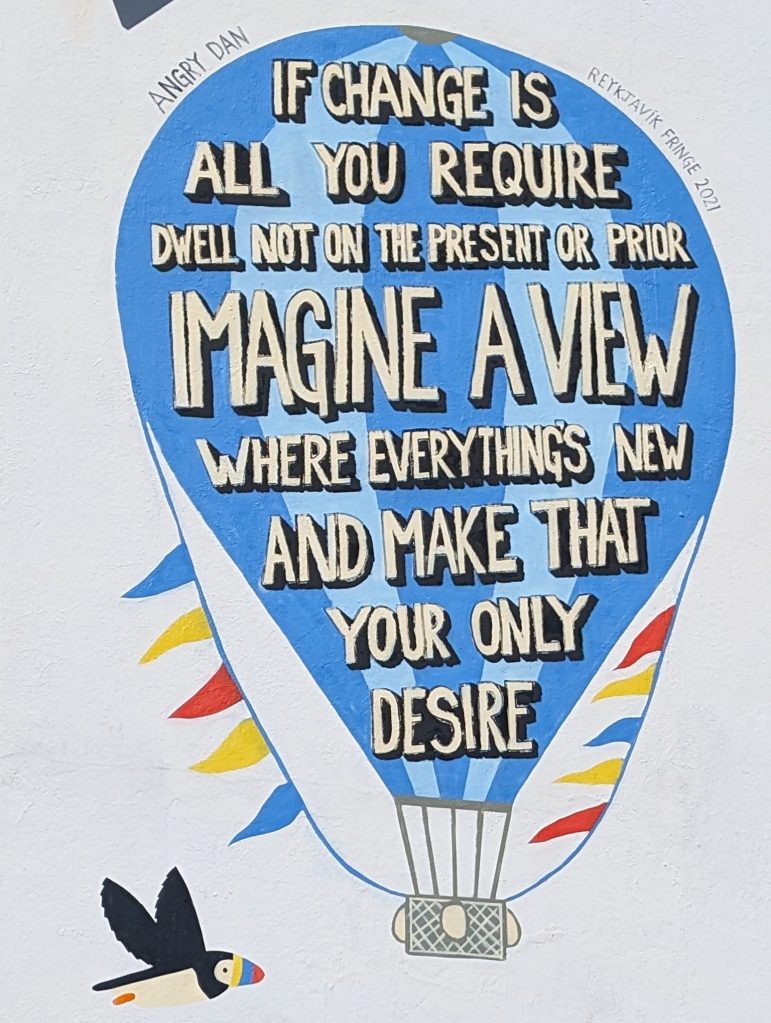
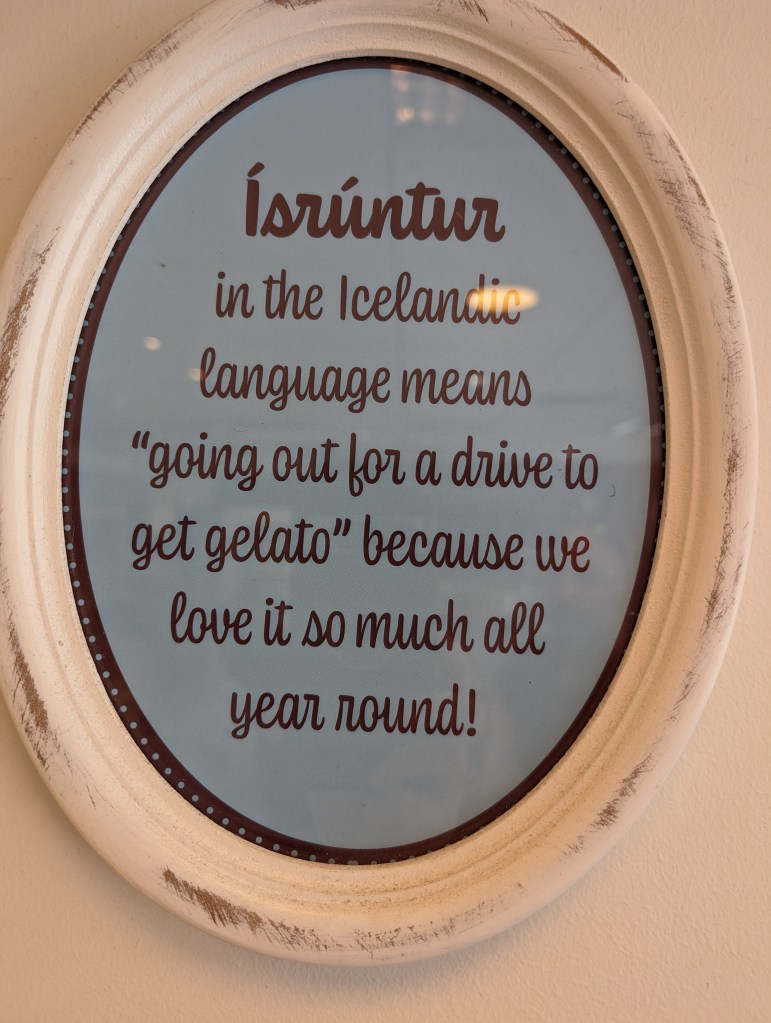
Top tip – Look out for various street art dotting throughout the city, and don’t miss the most delicious ice cream at Gaeta Gelato on Ingolfur Square.
Day 2: The Golden Circle
Leaving from our accommodation in Hveragerdi, we explored the famous Golden Circle, a route that covers some of the most popular natural attractions in Iceland.
Kerid Crater
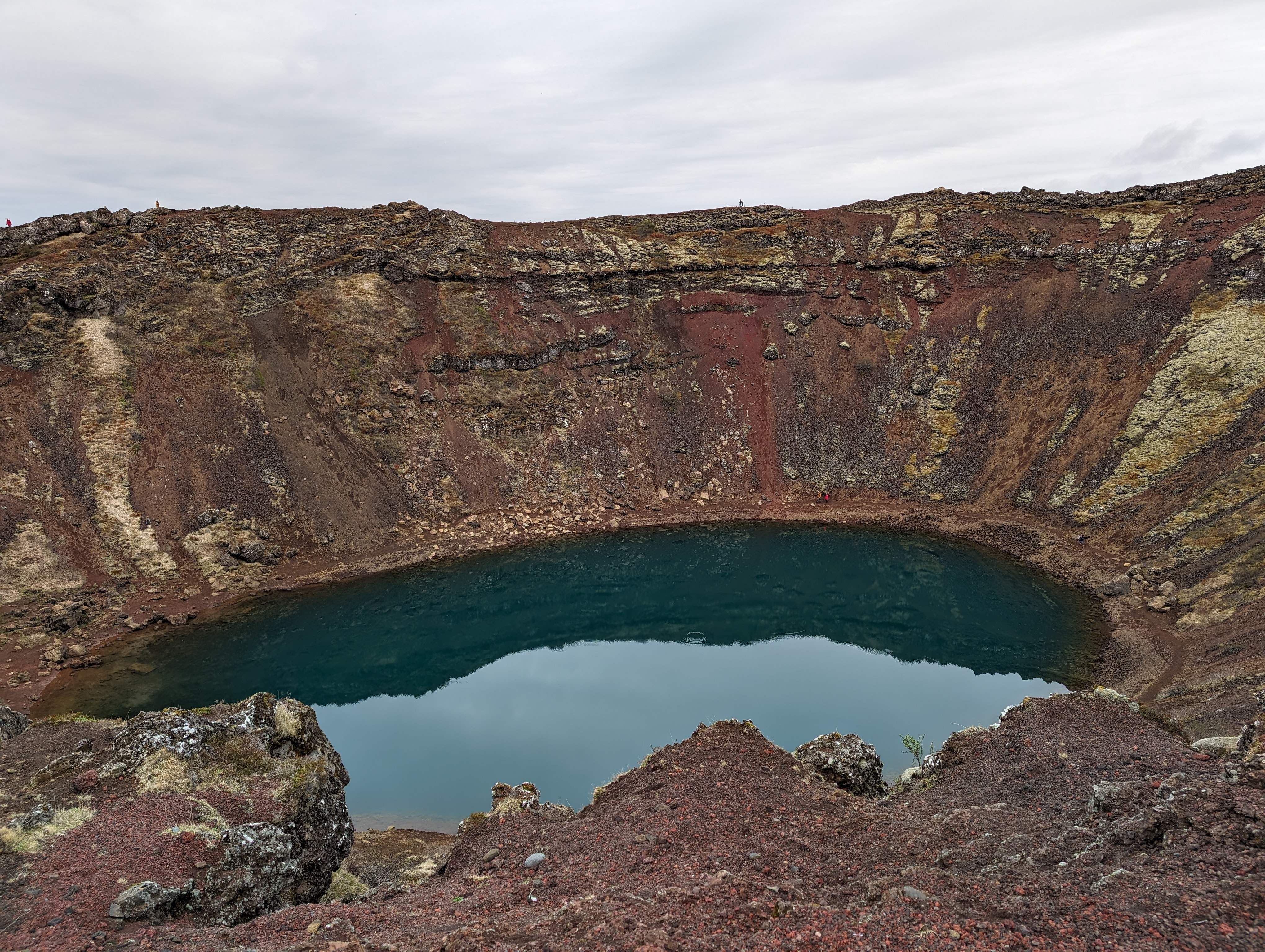
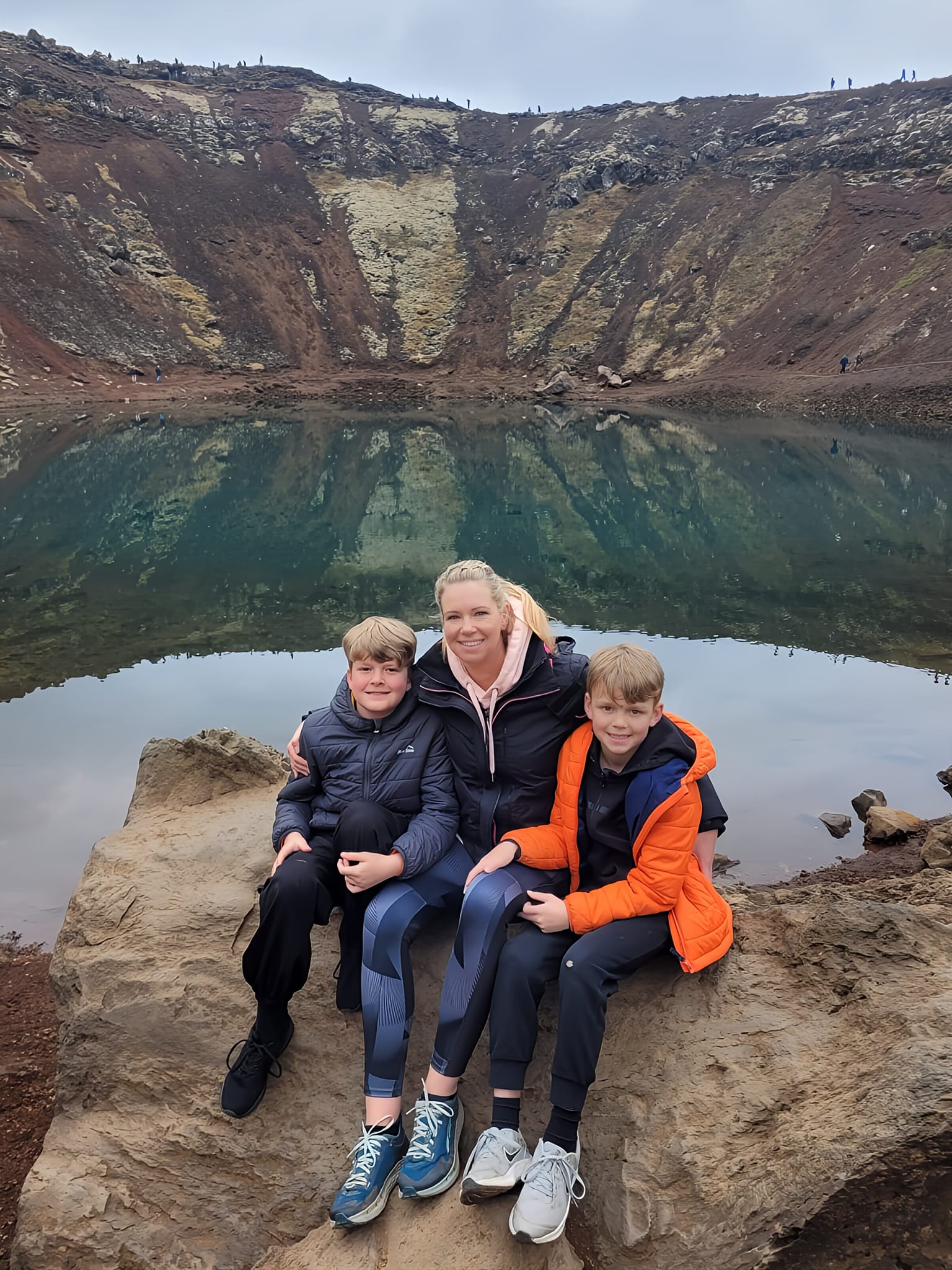
Our day started at Kerid Crater, a volcanic crater lake that has a striking contrast of red rocks and blue water. You can follow a walking route around the top perimeter of the crater, and then descend into it via the path on the gentler moss covered slope.
Kerid Crater is approximately 6,500 years old and was formed when a cone volcano erupted and emptied its magma reserve, causing the cone to collapse into the empty magma chamber. There is an information board at the entrance providing more detail on the history of the crater.
Kerid is easily accessible from the main road and has a large car park. There is an entrance fee of 400 ISK per person.
Geysir
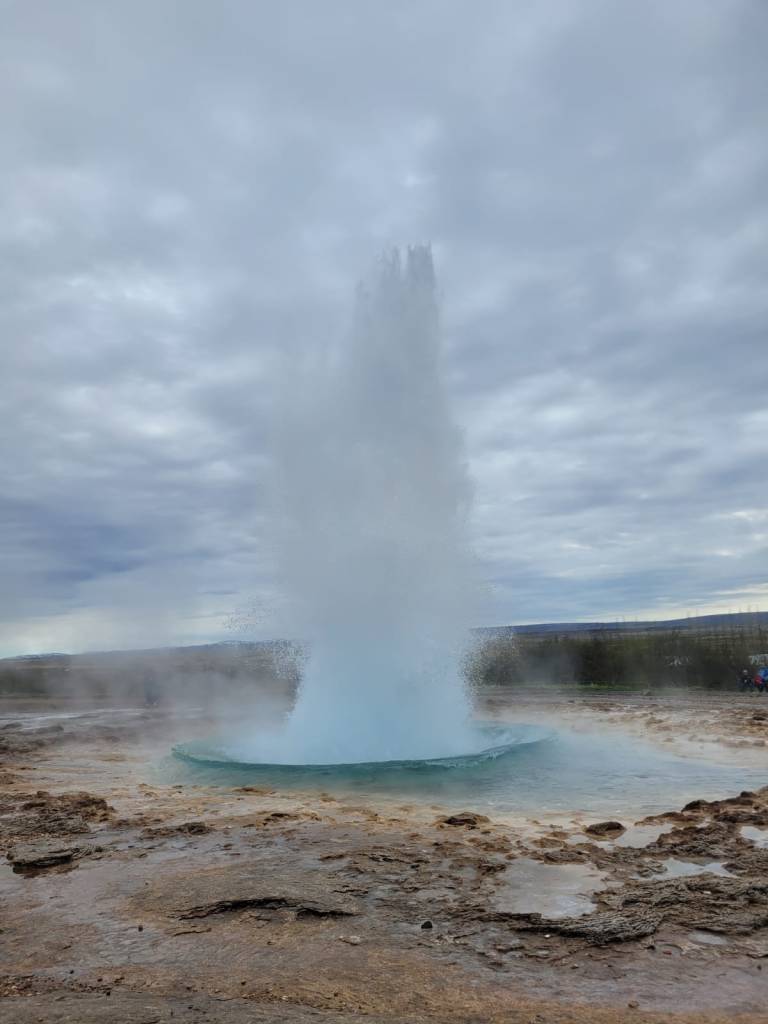
Next, we headed to Geysir, 15 mins drive from Kerid Crater and, the original geyser that gave its name to all others. There is a marked path between various small geysers and bubbling mud up to Strokkur geyser. This erupts every 6-10 minutes, sending a jet of water and steam 15-20 metres into the air. Facilities include a visitors centre, café, toilets, and large car park.
Gullfoss falls
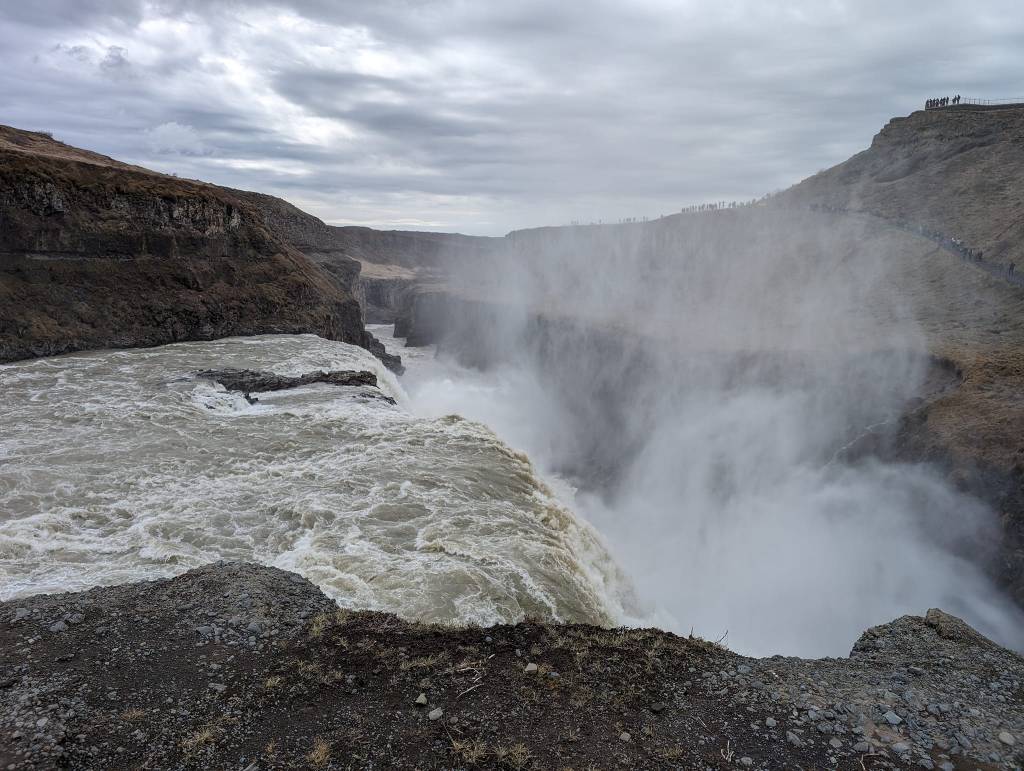
From Geysir we drove for 10 minutes to Gullfoss “Golden Falls”, one of the most impressive waterfalls in Iceland. The waterfall has two stages. The first drop is 11 metres, and the second is 21 metres. The canyon walls on either side are up to 70 metres high. There are well maintained walking paths and several viewing platforms, so you can see the waterfall from various angles.
The visitors centre is open from 9am-8pm and provides information about the falls and surrounding area. There is a café with sandwiches and soup, toilet facilities, and plenty of parking.
Secret Lagoon
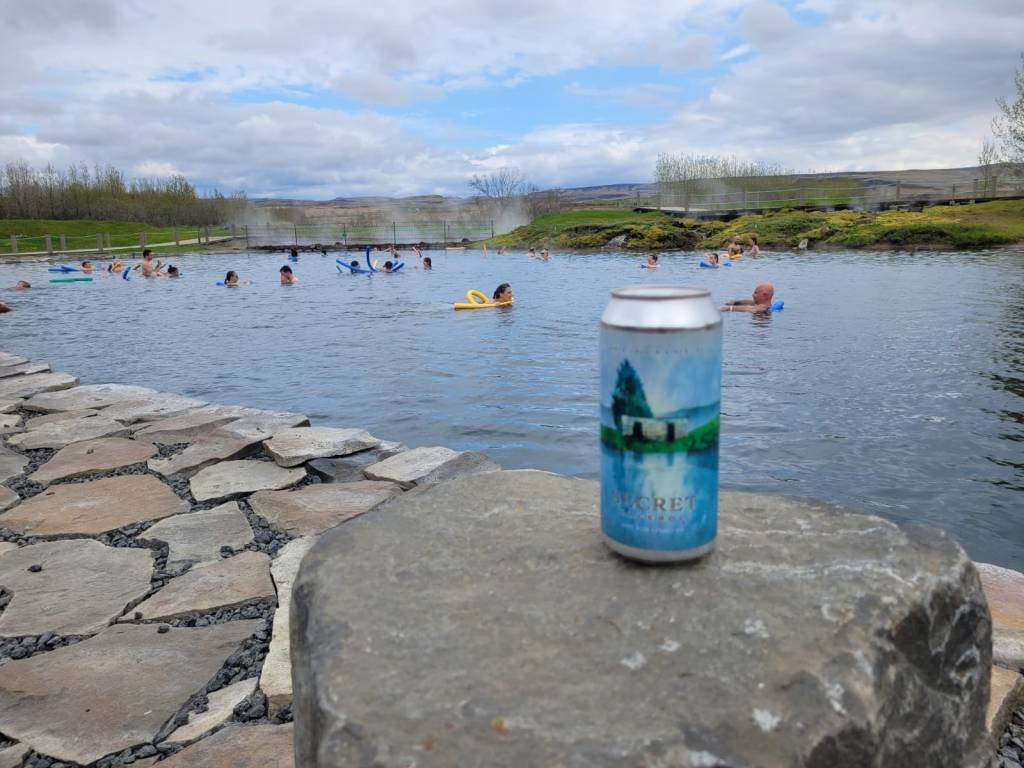
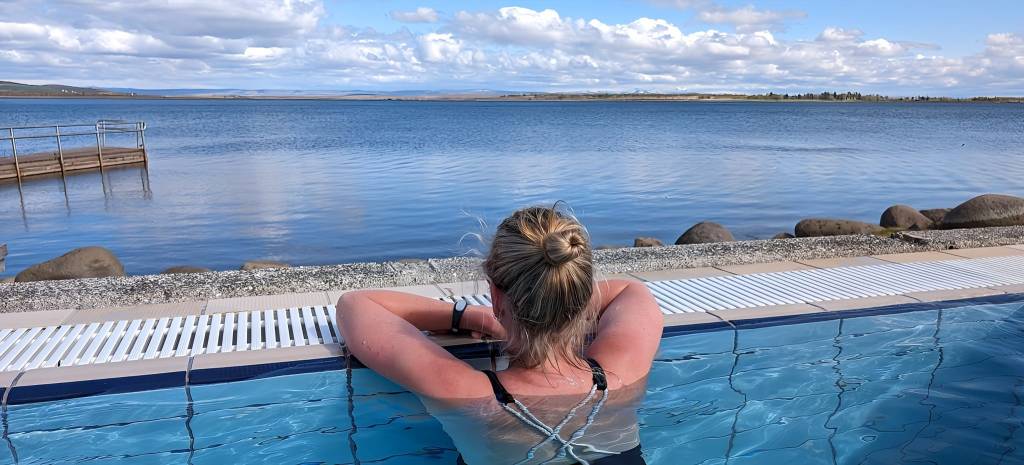
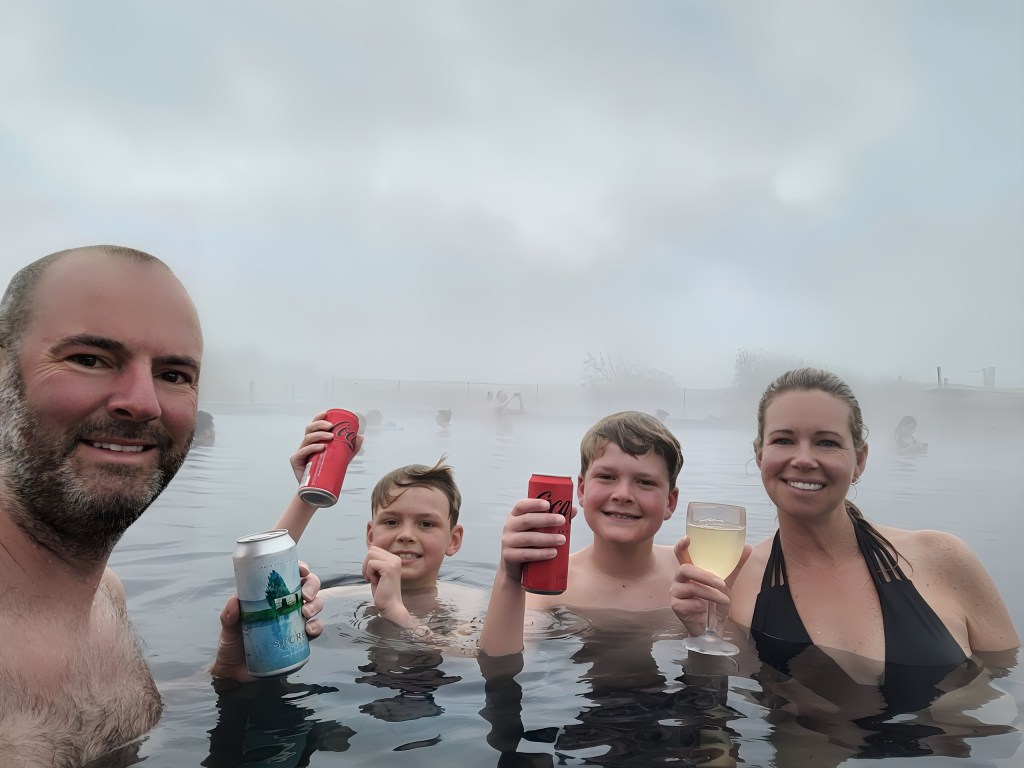
After seeing the Gullfoss, we visited the Secret Lagoon, a natural hot spring that offers a relaxing soak in a serene setting. The water temperature is maintained at a comfortable 38-40˚C year-round. However, the water is cooler nearer to the steps and gets warmer as you go further into the pool because the thermal springs that feed into it are located on the far side. A short walking path around the springs provides a viewing platform for the small geysers nearby that erupt every few minutes.
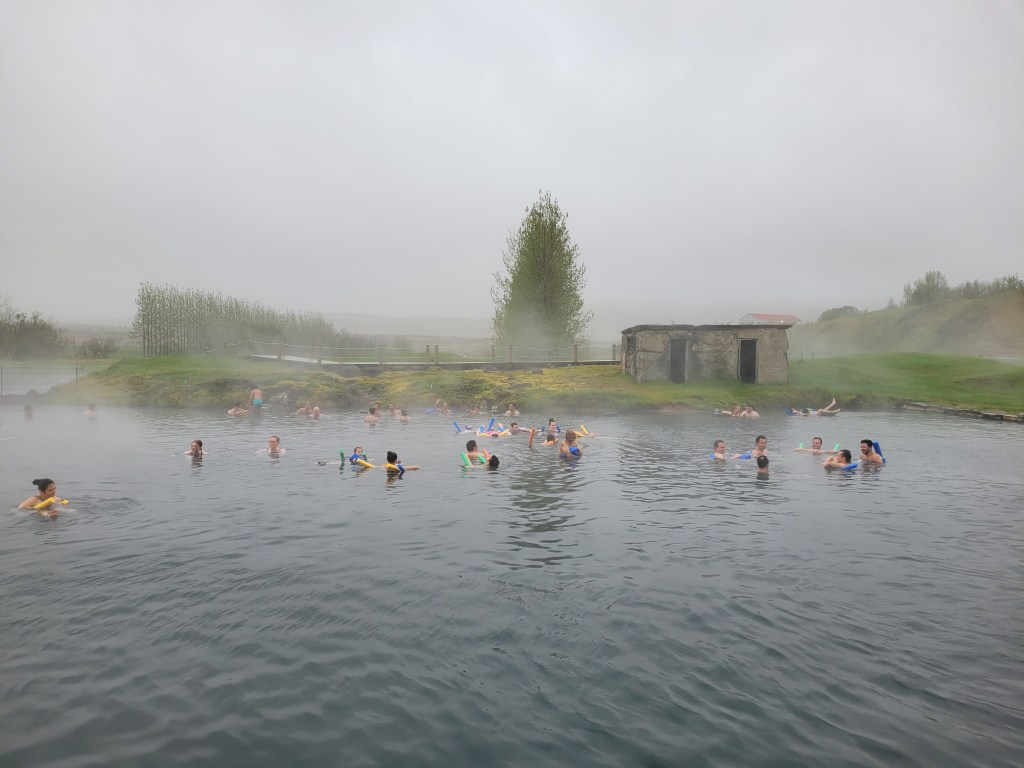
The entrance fee was 3000 ISK per person and included a towel and a locker. There are changing rooms, showers, and a café to purchase food and drink. You are able to take drinks into the hot springs.
Due to its popularity, especially in the summer, it is recommended to book your visit in advance to ensure you get a spot.
Top tip – you must shower thoroughly without your swimsuit before entering the hot spring. This is a hygiene practice and taken very seriously by locals. Once you have showered swimsuits are mandatory in the hot springs themselves.
Day 3: Hveragerdi and Reykjadalur Hot Springs
We spent the day in Hveragerdi, a town that is built on a geothermal area, and where we based ourself for the week.
Reykjadalur Hot Springs
In the morning we walked up to Reykjadalur Hot Springs, a unique phenomenon where hot water flows through a valley surrounded by steam vents and bubbling mud pools. The hike starts from a parking area just outside Hveragerdi, which is 40 minutes drive from Reykjavik. The trail is approximately 3km one way and took us an hour, stopping for photos and to look at the geysers along the route. There are some uphill sections, and the path is well-marked and maintained, although it can be muddy and slippery in places, especially if it has rained. The landscape is absolutely stunning.
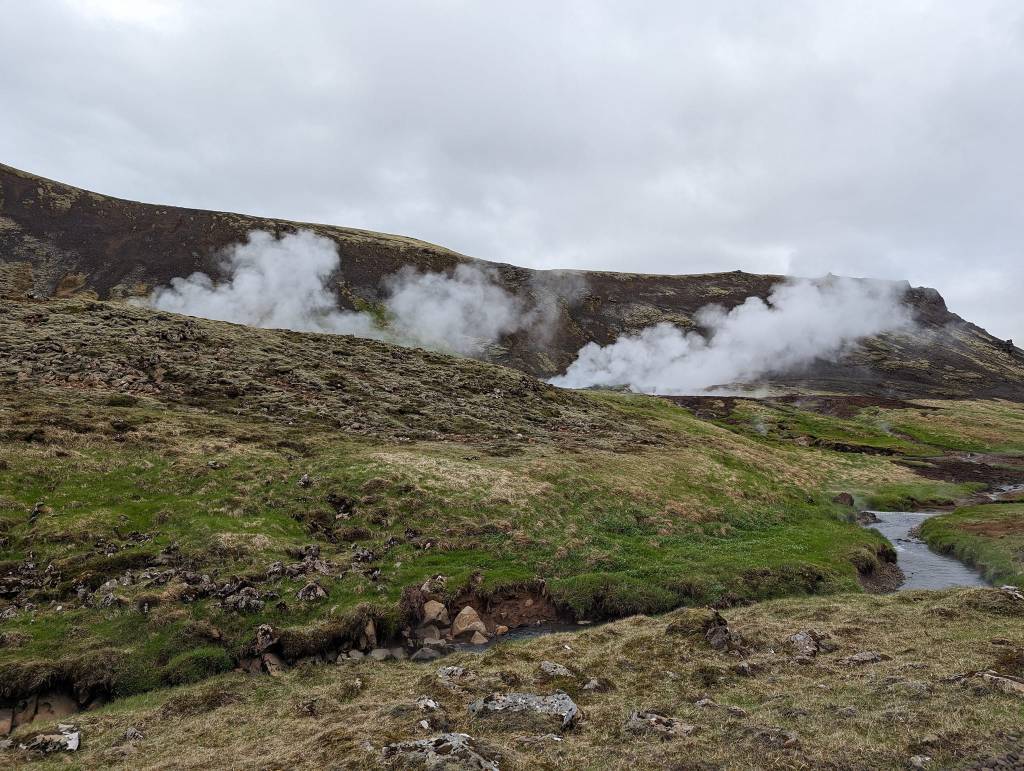
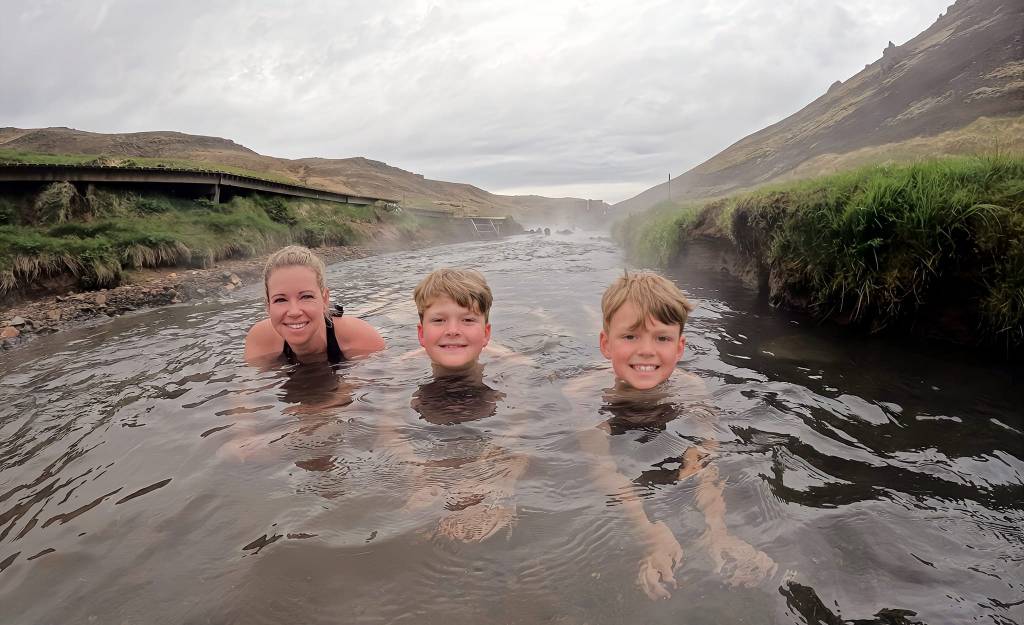
Make sure to bring a swimsuit and towel as at the end of the hike you’ll reach the hot springs, were you can bathe in the warm river. The water temperature ranges from 30-40˚C, with various shallow pools. The further up the river you walk the hotter the water, we would suggest starting slightly lower down and working your way up. There are no facilities here other than a wooden boardwalk and some panels to get changed behind. This was our favourite hot spring due to it being completely natural and in a beautiful setting.
Geothermal Park
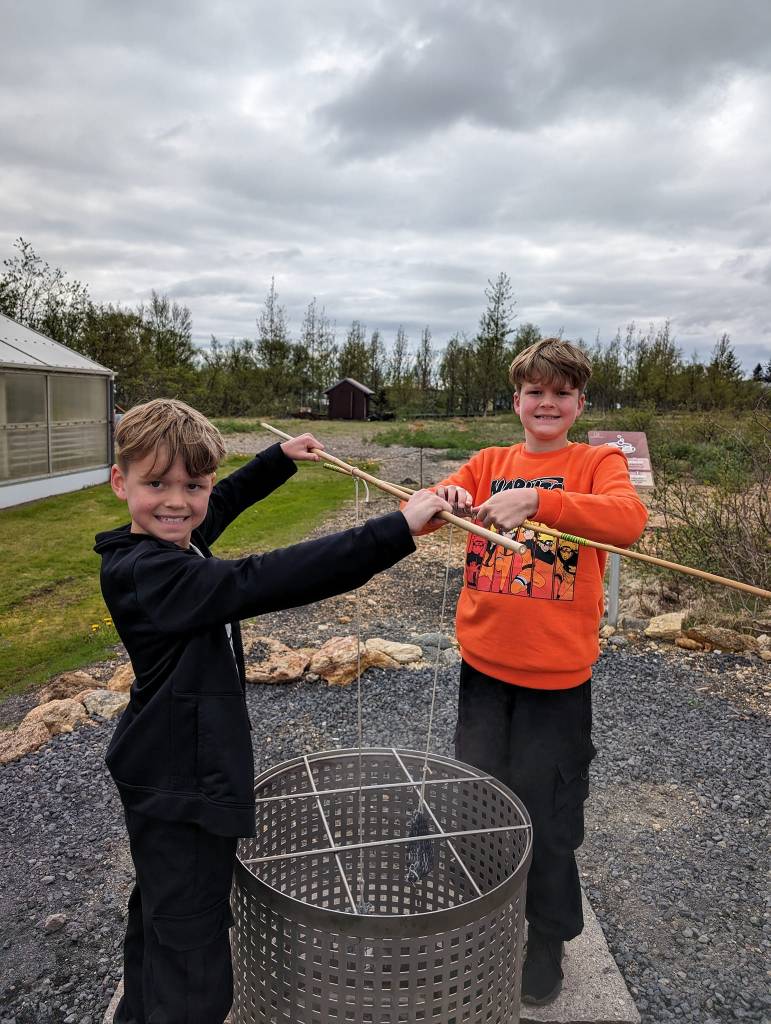
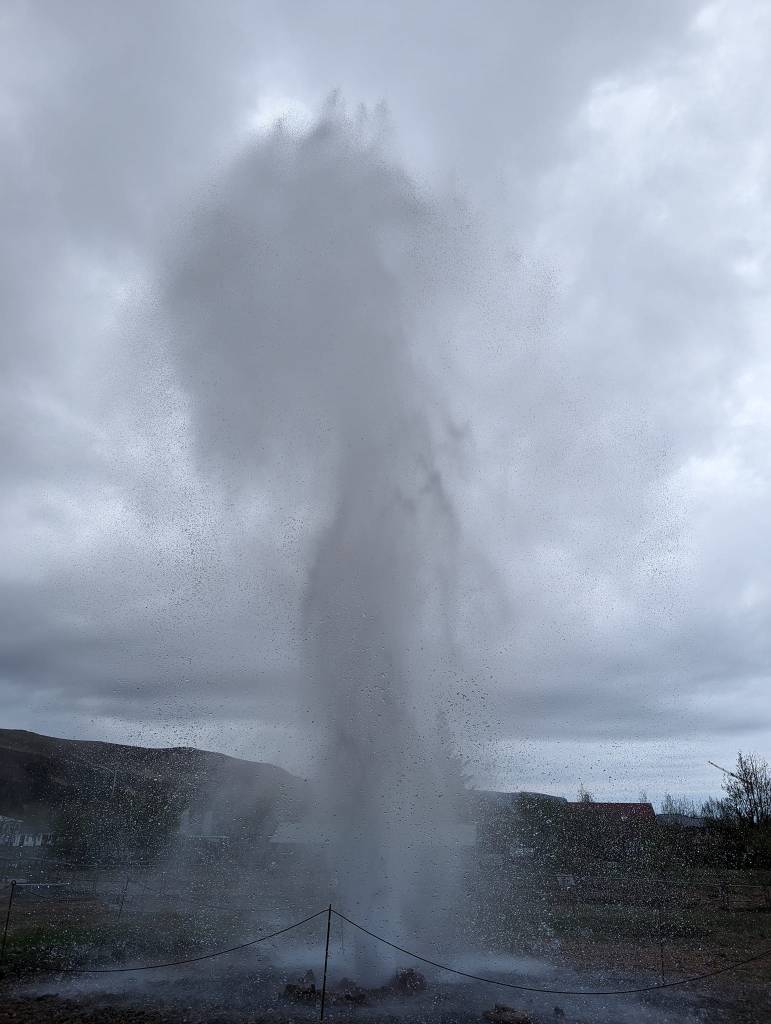
Once back down in Hveragerdi, we went to the Geothermal Park which showcases the country’s geothermal activity. There is a short walk around the park which passes steaming vents, bubbling mud pots and hot springs. A geyser at the centre of the park erupts every 10-15 minutes and is worth sticking around to see. You can soak your feet in a small geothermal spring, take a guided tour, boil an egg in a hot spring using the geothermal heat, and taste the traditional Hverabraud (rye bread) which is baked underground using geothermal activity – it is absolutely delicious with butter!
Grodurhusid Food Market
Also known as the Greenhouse, Grodurhusid is a vibrant food market and social hub located in the centre of Hveragerdi. There are various bars, restaurants and food stalls so it is a great place to eat when everyone has varied tastes. If you are visiting Hveragerdi for the day it is a good place to stop for lunch. Or, if like us, you are staying in the town we recommend drinks in the cosy bar.
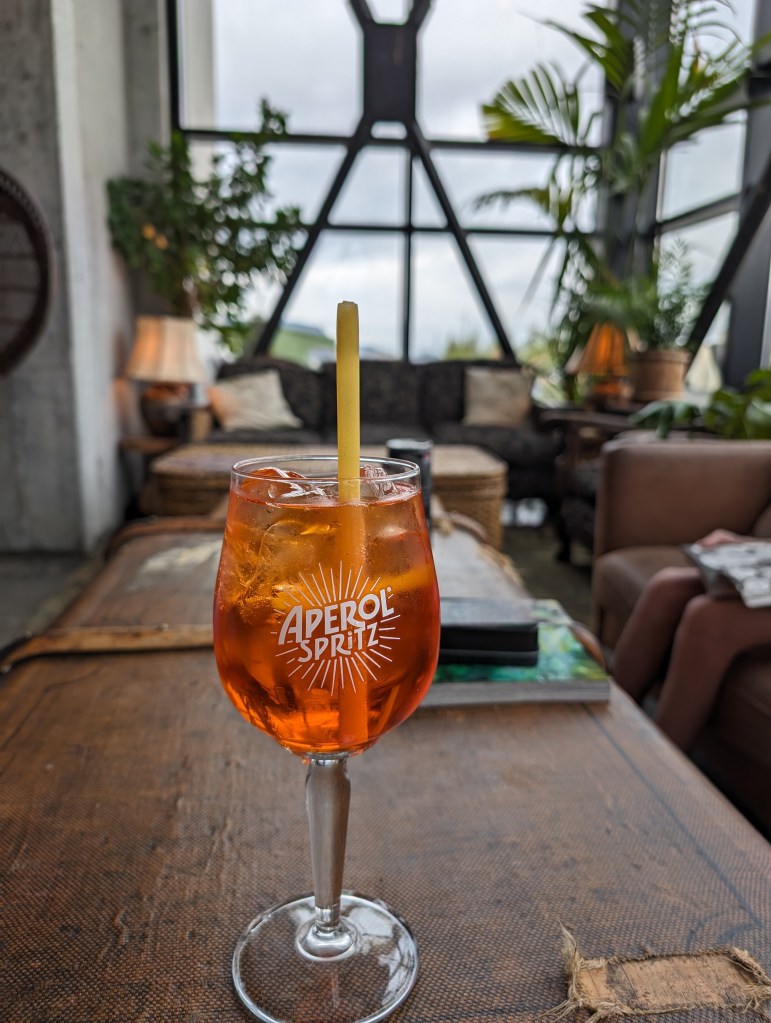
There is also a shopping area on the ground floor offering Icelandic products including clothes, decor and cosmetics.
Olverk Pizza & Brewery
Serving woodfired pizza and Icelandic craft beer, brewed in house using geothermal energy. We loved Olverk so much that we visited twice during the week. There’s a large variety of pizzas, with some unusual combinations – who knew pepperoni and banana would be so delicious! This restaurant is very popular and does get busy. They don’t take bookings but seemed to manage to get people a table fairly quickly.
Top tip – you can get a 15% off voucher from the tourist information centre in Hvergerdi.
Day 4: Thingvellir National Park, Bruarfoss, and Fontana Springs
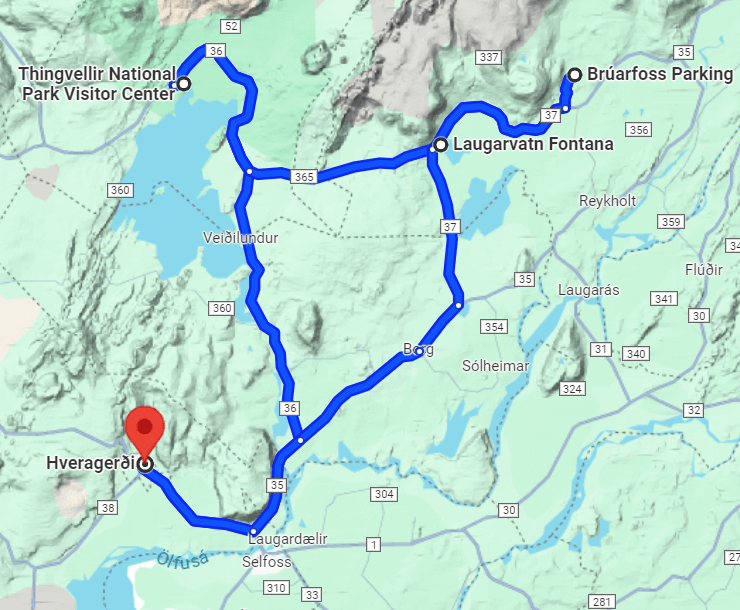
Thingvellir National Park
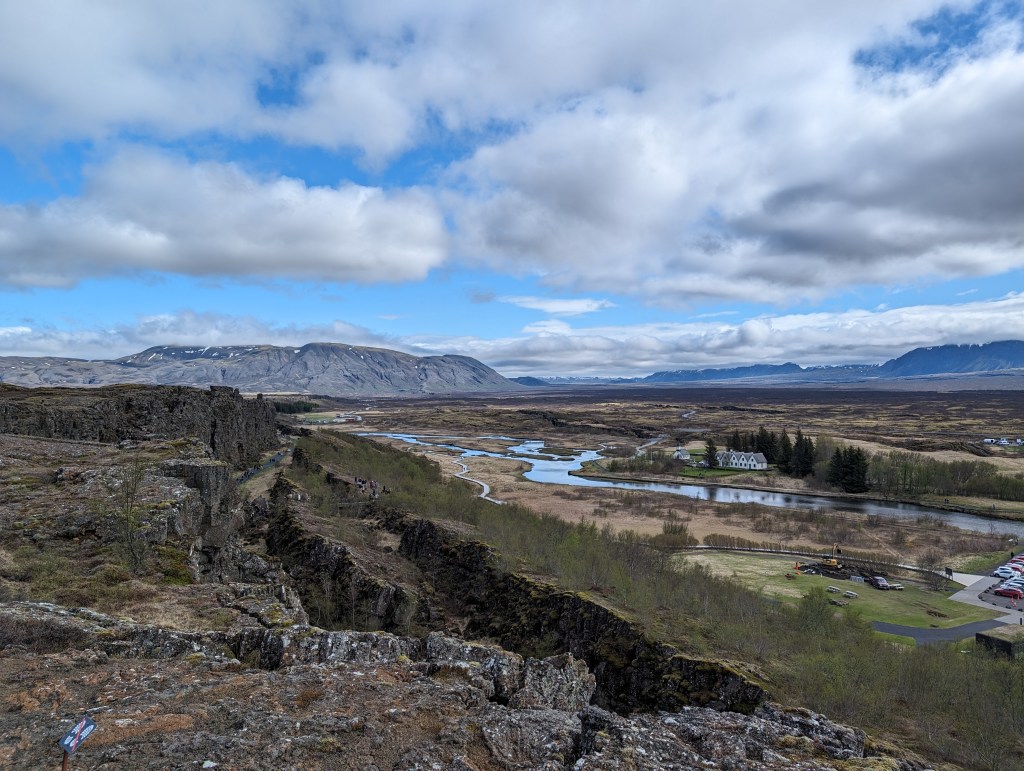
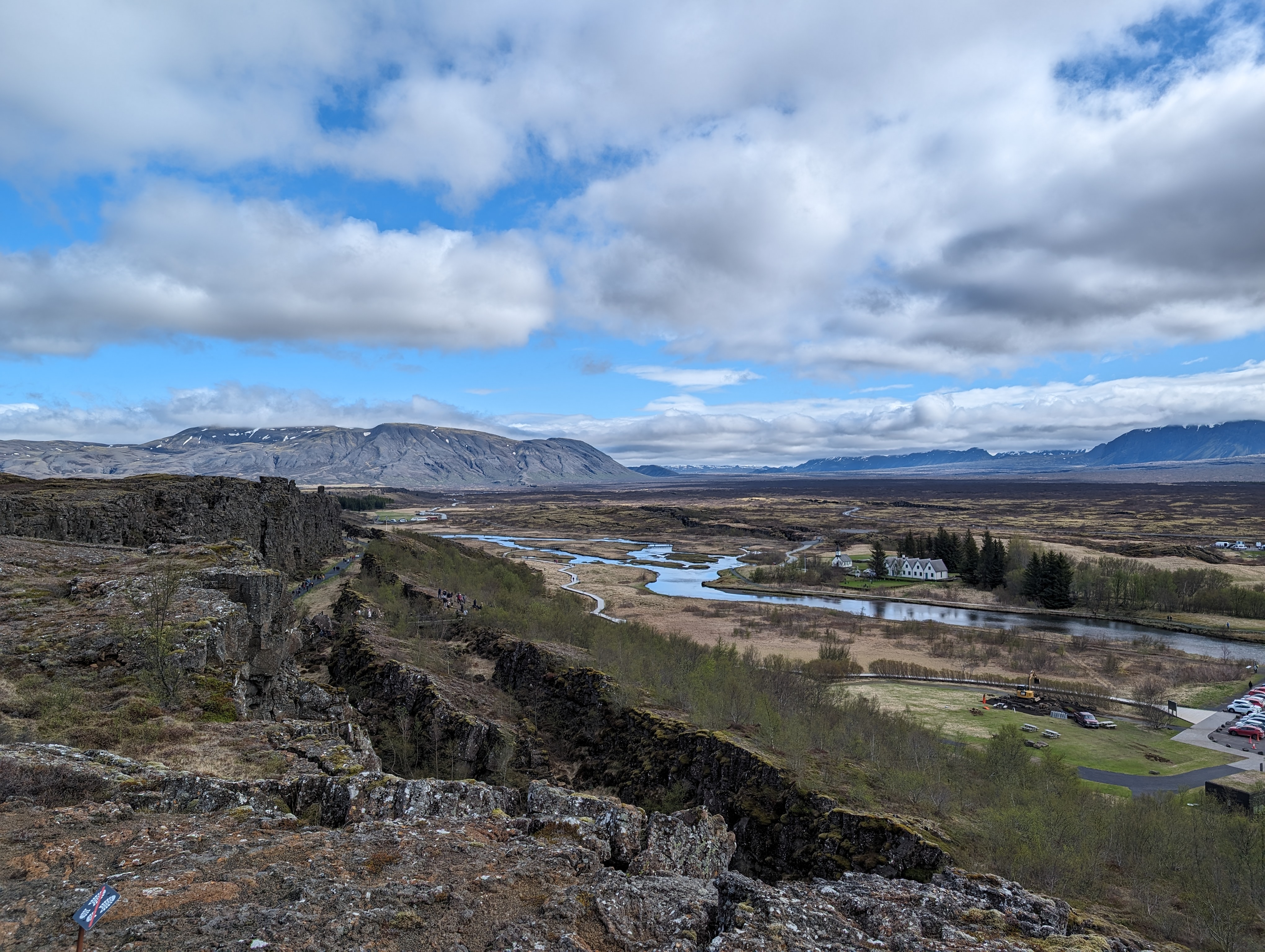
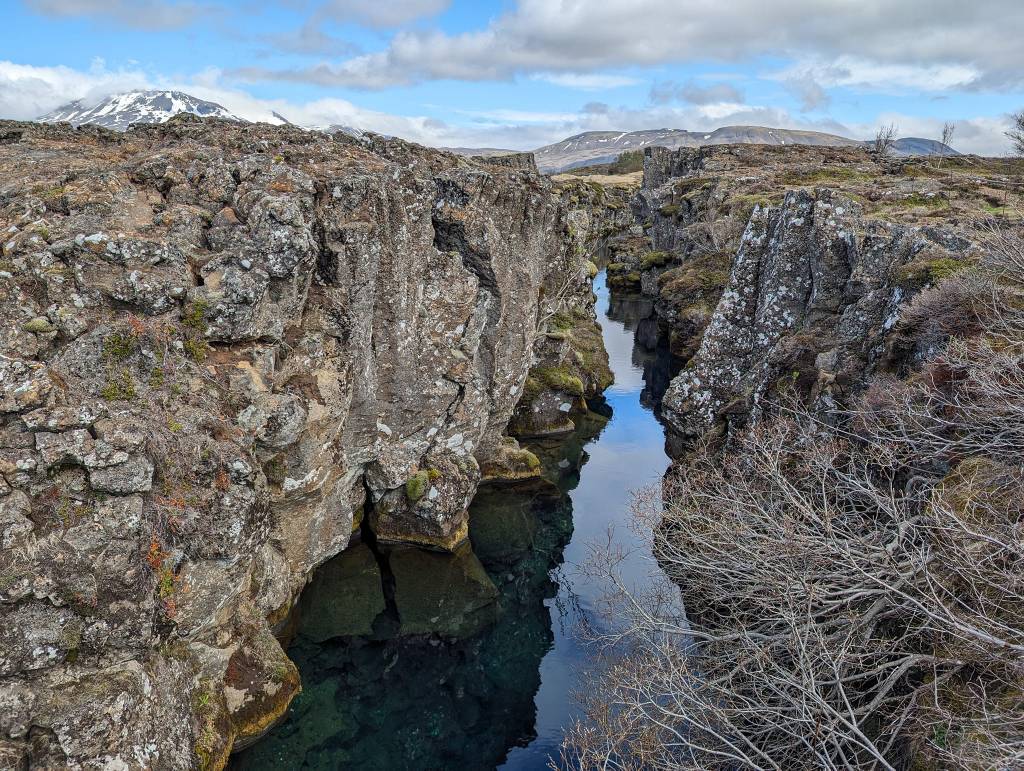
Thingvellir National Park is a UNESCO World Heritage Site that is rich in both natural and historical significance. It is where the North American and Eurasian tectonic plates meet, creating a rift valley with dramatic cliffs and fissures. It is also where the first parliament of Iceland was established in 930 AD, making it the birthplace of the nation.
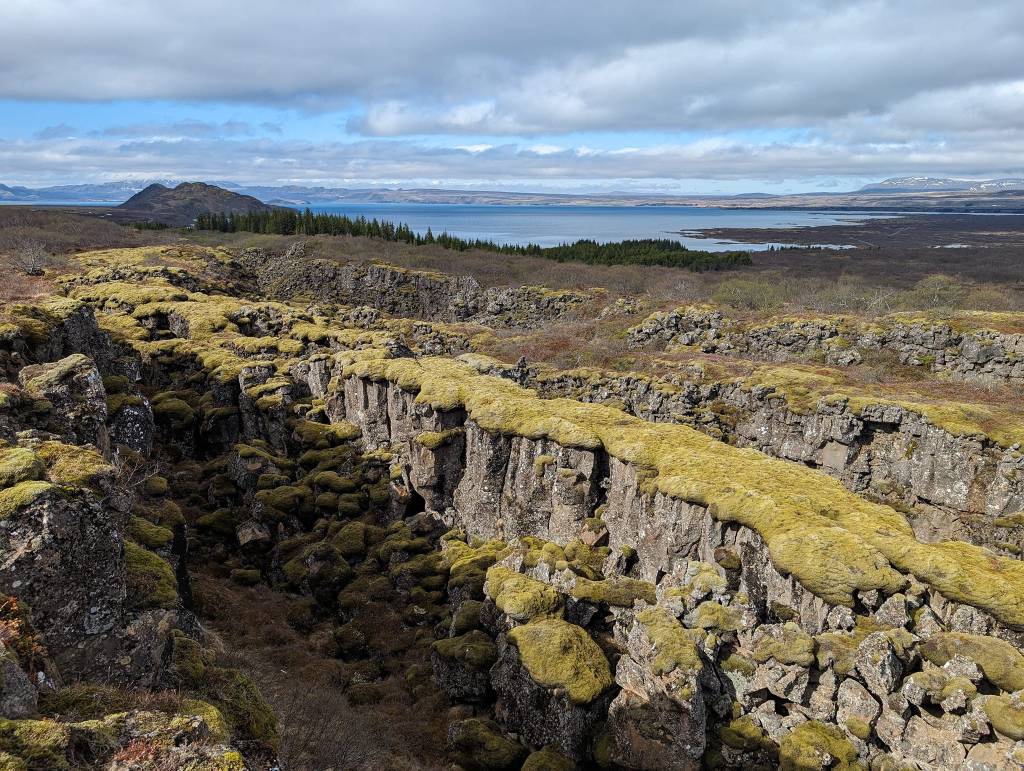
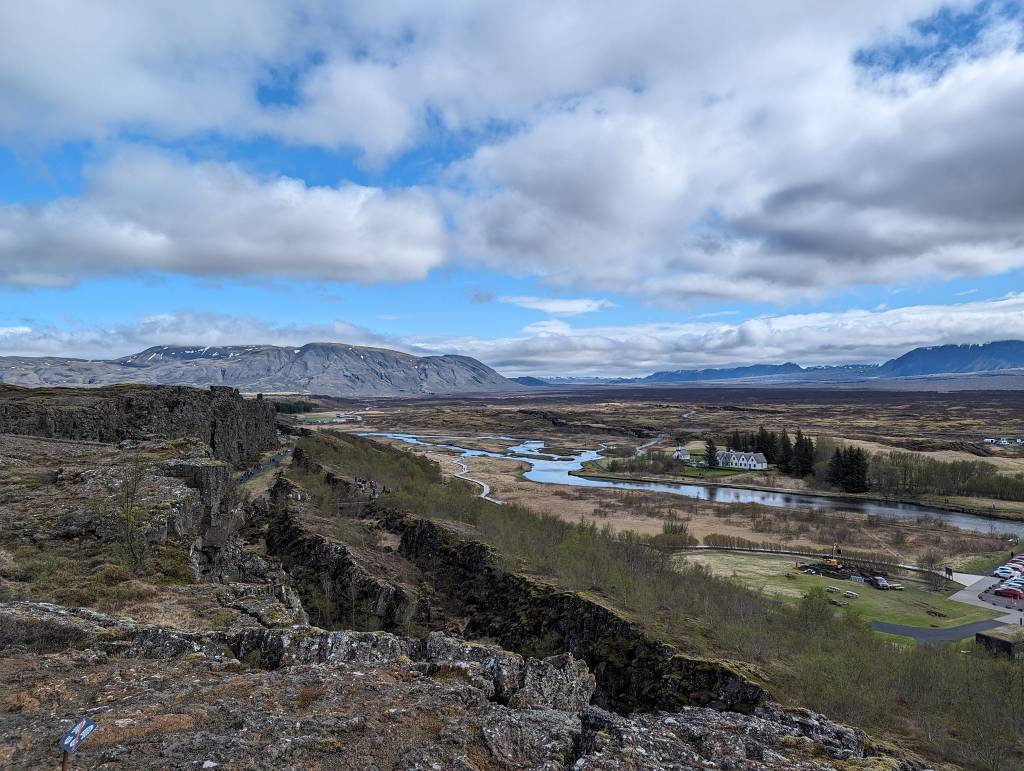
Wooden walkways from the visitors centre lead through one of the fissures and onto a walking track. From the walkways you get great views across the national park. Most of the tour groups stick to the boardwalks, however if you continue along the track you will come to Oxarafoss.
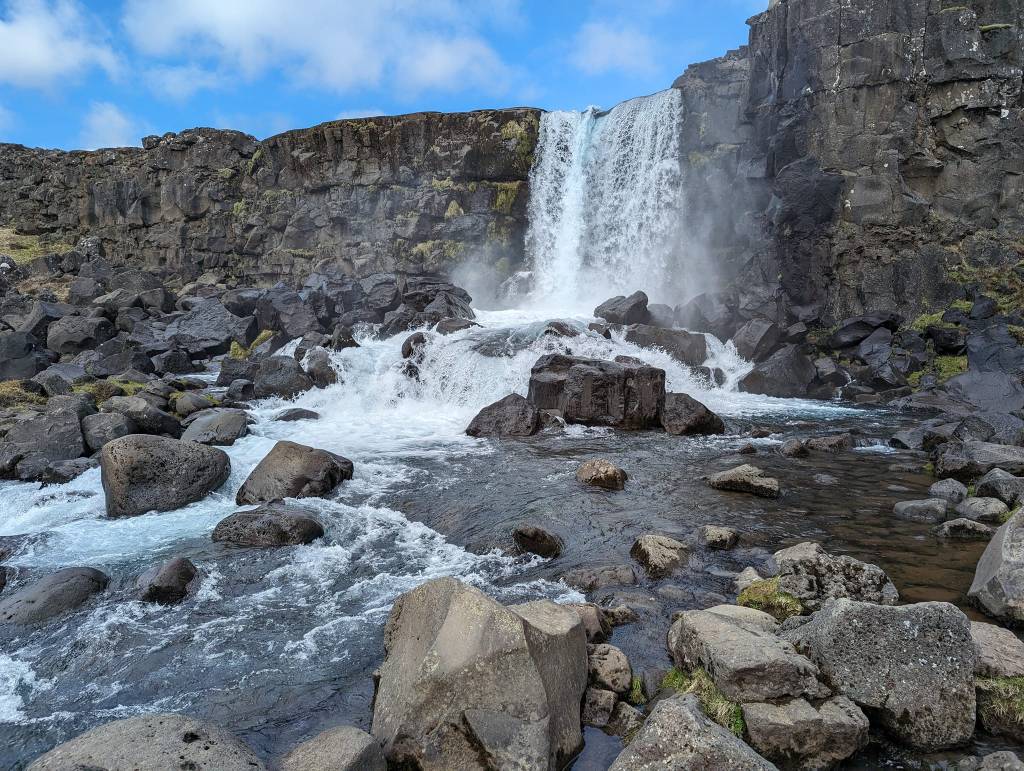
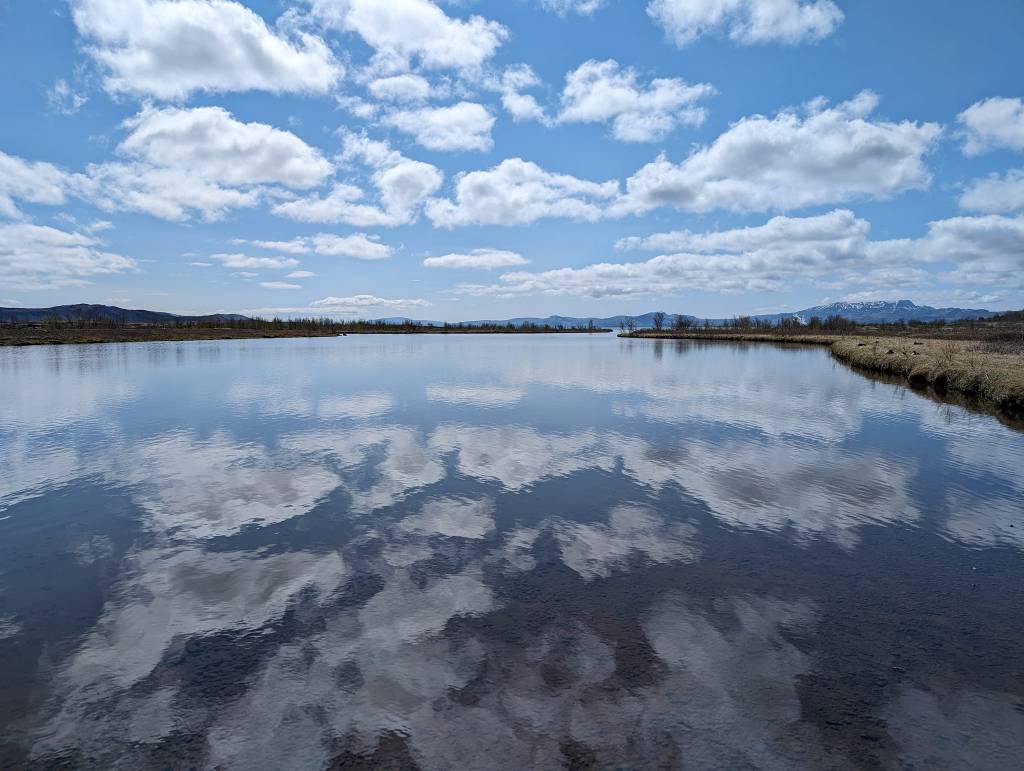
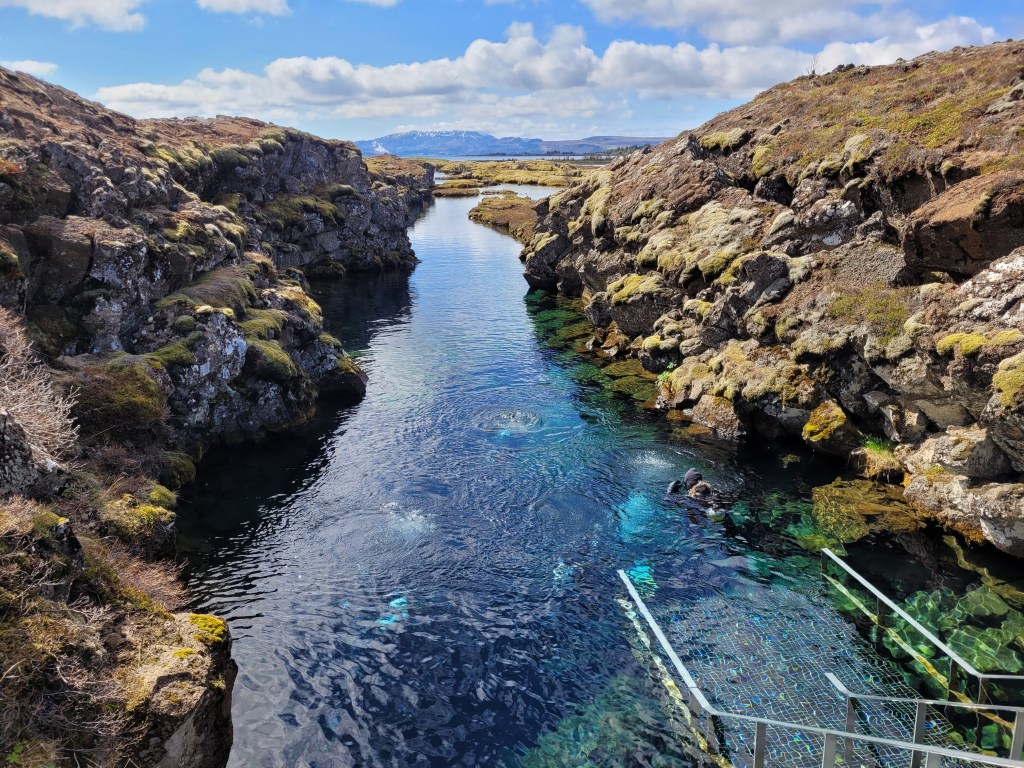
From there, we walked further into the park to the Silfra fissure, where you can watch people snorkel or dive in the crystal clear water – or have a go yourself! The edge of the lake nearby provides the perfect picnic spot.
Bruarfoss Waterfall
Famous for being the bluest waterfall in Iceland due to the glacial meltwater of the Bruara River, originating from the Langjokull glacier. While not the biggest waterfall you will see, it is known for its unique horseshoe shape and the deep crevices the water flows through.
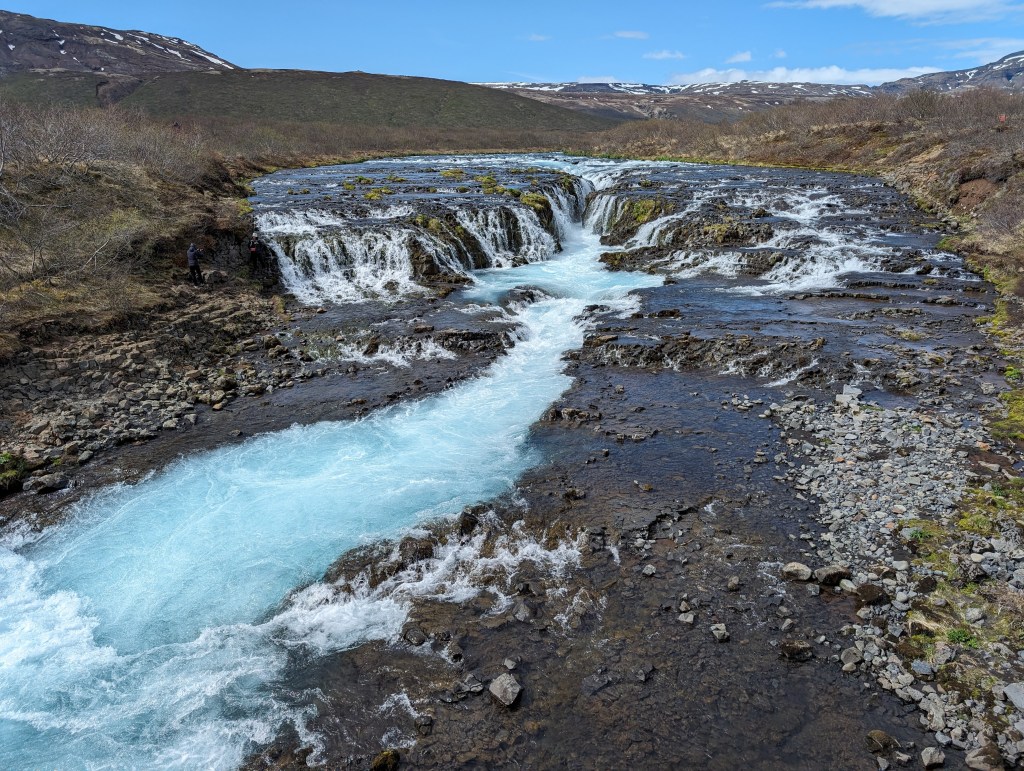
You can reach the waterfall via a five minute walk from the car park. There is also a 7km trail from here where you can see several other smaller waterfalls.
Fontana Laugarvatn Springs
Fontana Laugarvatn Springs, is a geothermal spa that offers various pools, saunas, and steam rooms. Each pool varies in temperature so you can choose the one that is most comfortable for you, or try them all! The steam rooms are built over the natural hot springs so you experience the geothermal heat directly from the ground – but be warned it is very smelly!
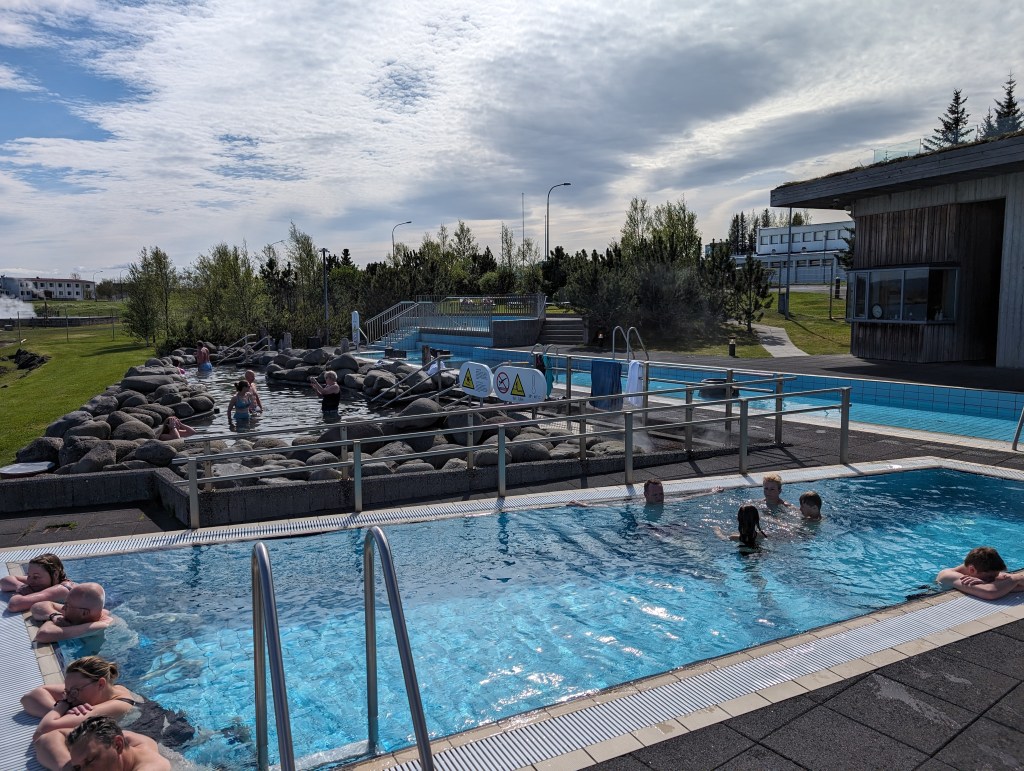
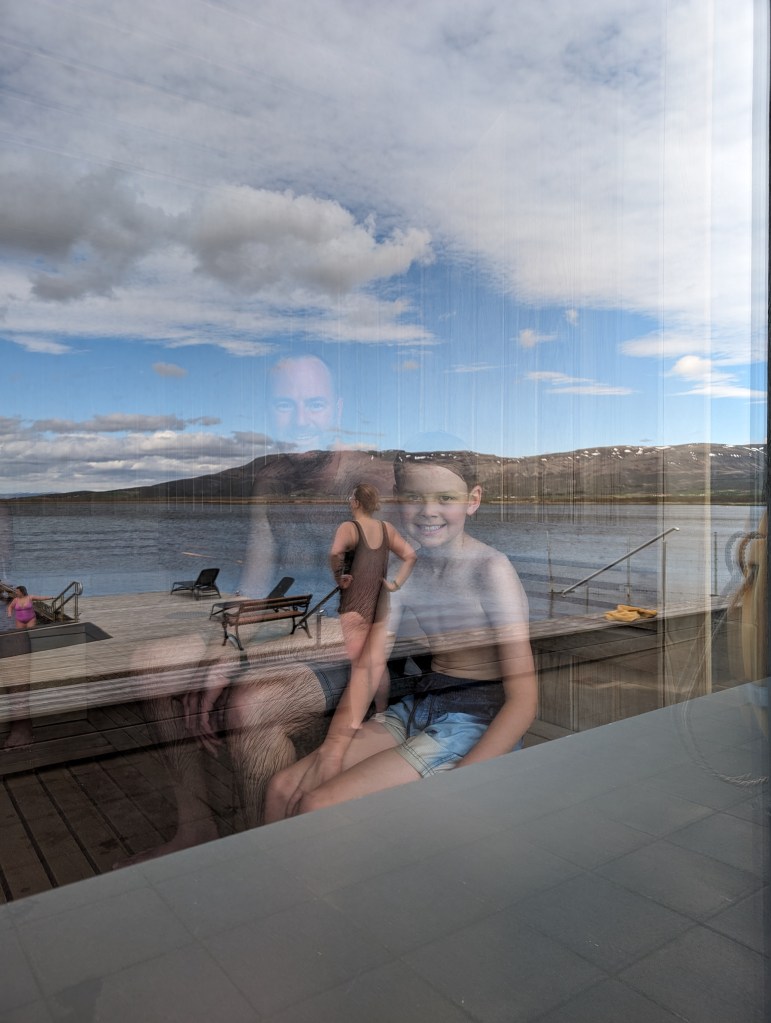
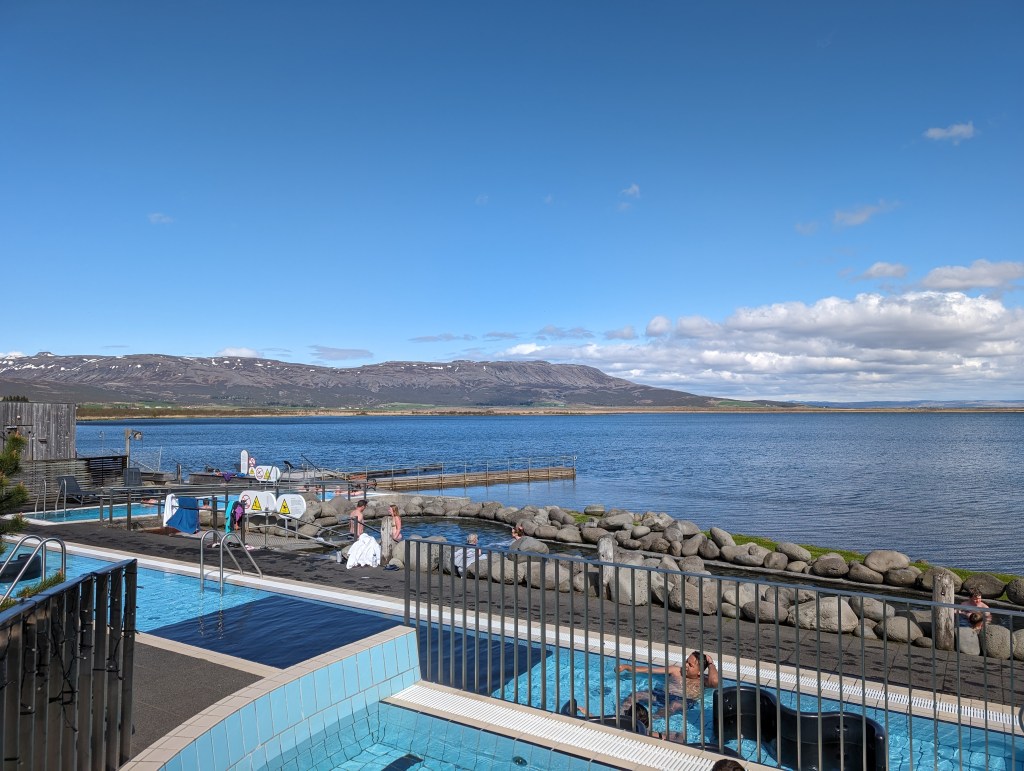
For those hardy enough, you can also take a swim in the Laugarvatn Lake, which is very chilly especially after being in the hot pools. Lake shoes are provided to protect your feet from hot springs under the water.
Fontana also has a café, restaurant and geothermal bakery. Tours of the bakery are available three times a day, and you can taste the freshly baked Icelandic rye bread.
The entrance fee was 3800 ISK per person at time of writing, and included a towel and locker.
Day 5: The South Coast
Seljalandsfoss and Gliufrabui
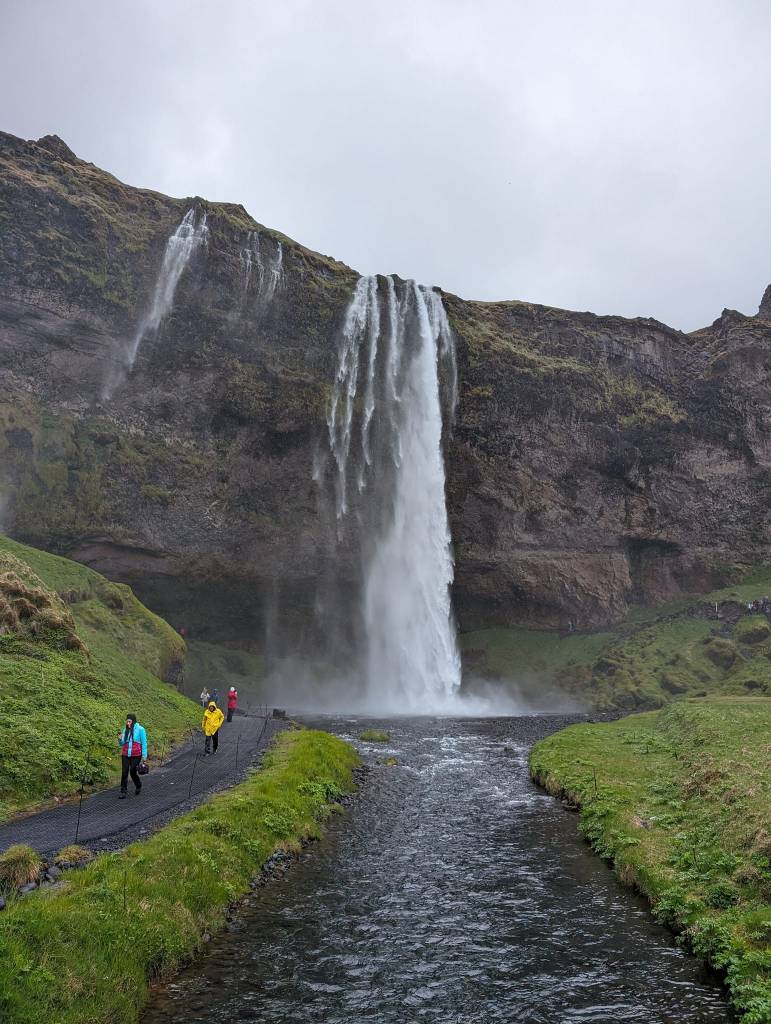
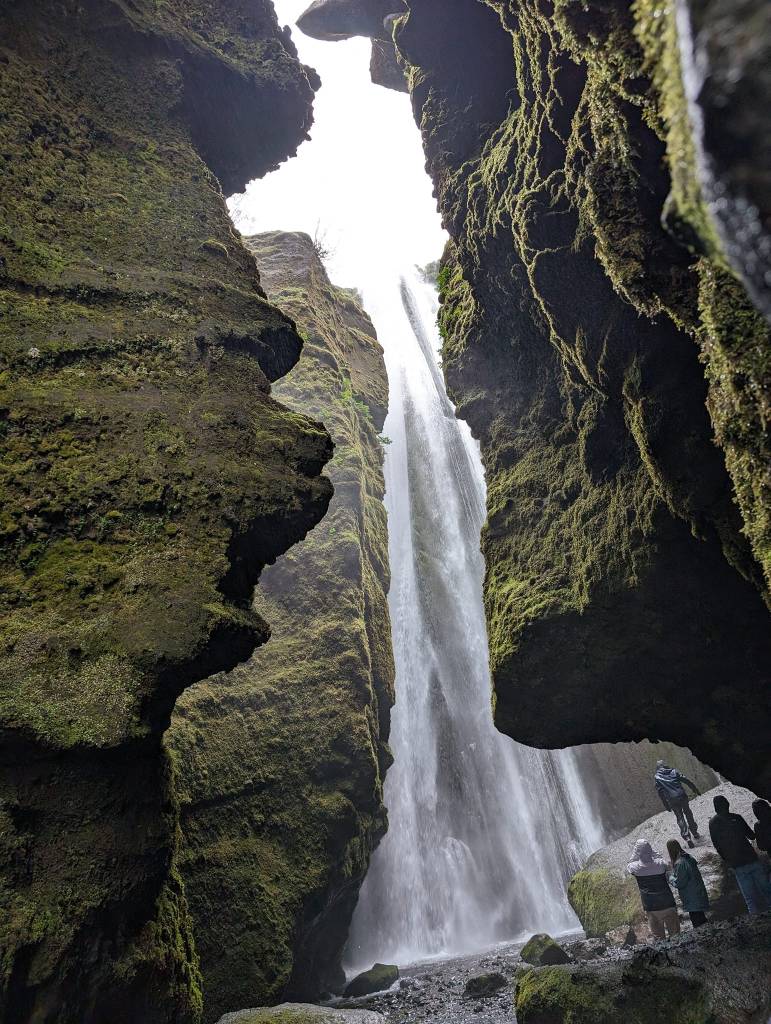
The south coast of Iceland is dotted with stunning waterfalls, glaciers, and beaches. Our first stop was Seljalandsfoss, a waterfall that you can walk behind and see from different angles. If you continue walking along the track with Seljalandsfoss on your right you will find Gljufrabui, a hidden waterfall that is tucked inside a narrow gorge. You can reach the waterfall by walking through a narrow stream so waterproof shoes and clothes are recommended. It cost us 1000 kr to park the car here.
Top tip – wear full waterproofs if you want to walk behind Seljalandsfoss, or you will get drenched.
Skogafoss and Hestavaosfoss
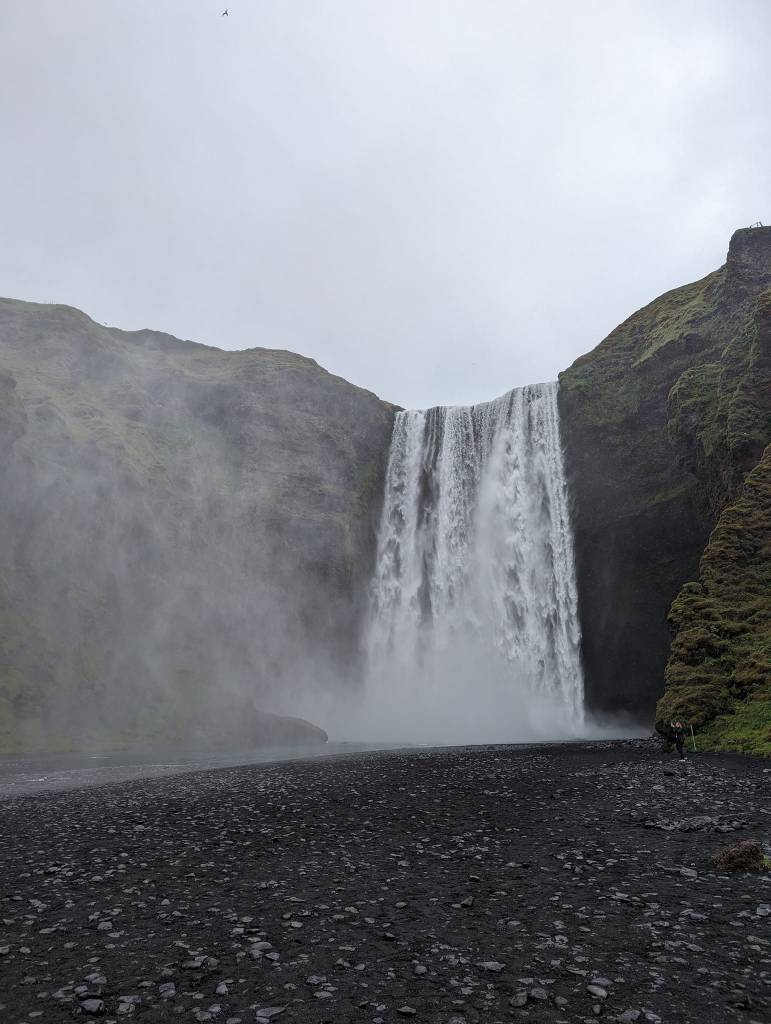
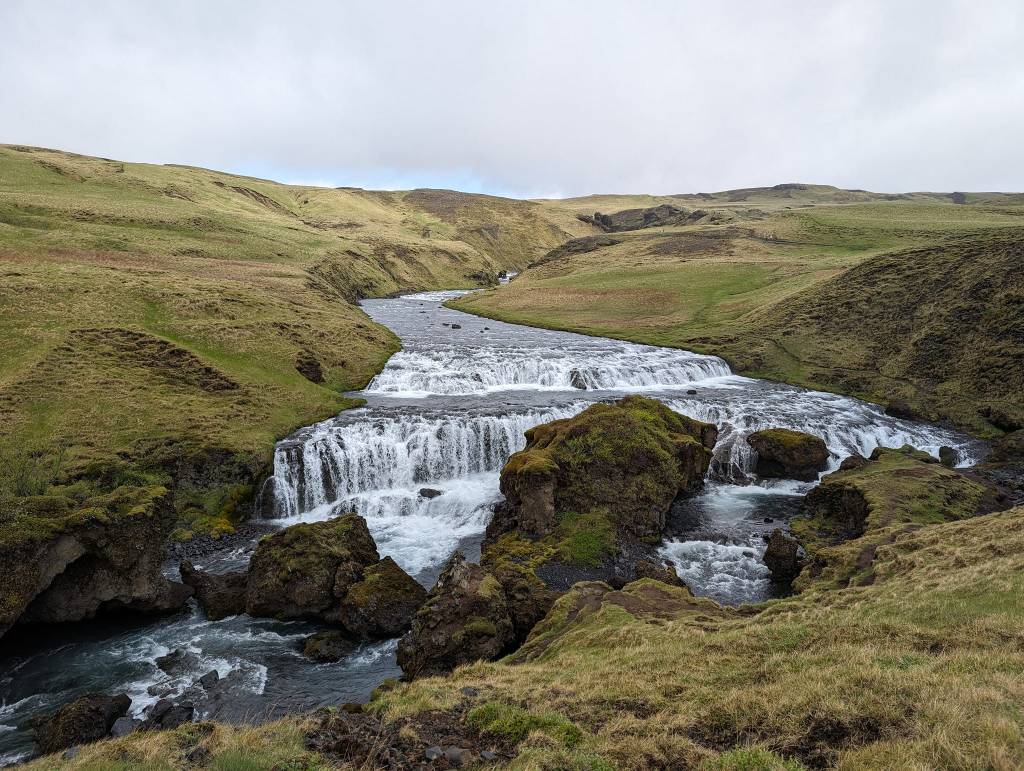
Next on the waterfall tour was Skogafoss, which has a 60-metre drop and a rainbow on sunny days. You can walk to the base of the waterfall along the edge of the river, and also climb the stairs to the top of the cliff to see it from above. If you go to the top make sure you continue to walk along the ridge and you will come to Hestavadsfoss, a series of smaller falls cascading down the river. Skogafoss is approx. 30 km from Seljalandsfoss and takes 25 minutes to drive.
Solheimajokulll Glacier
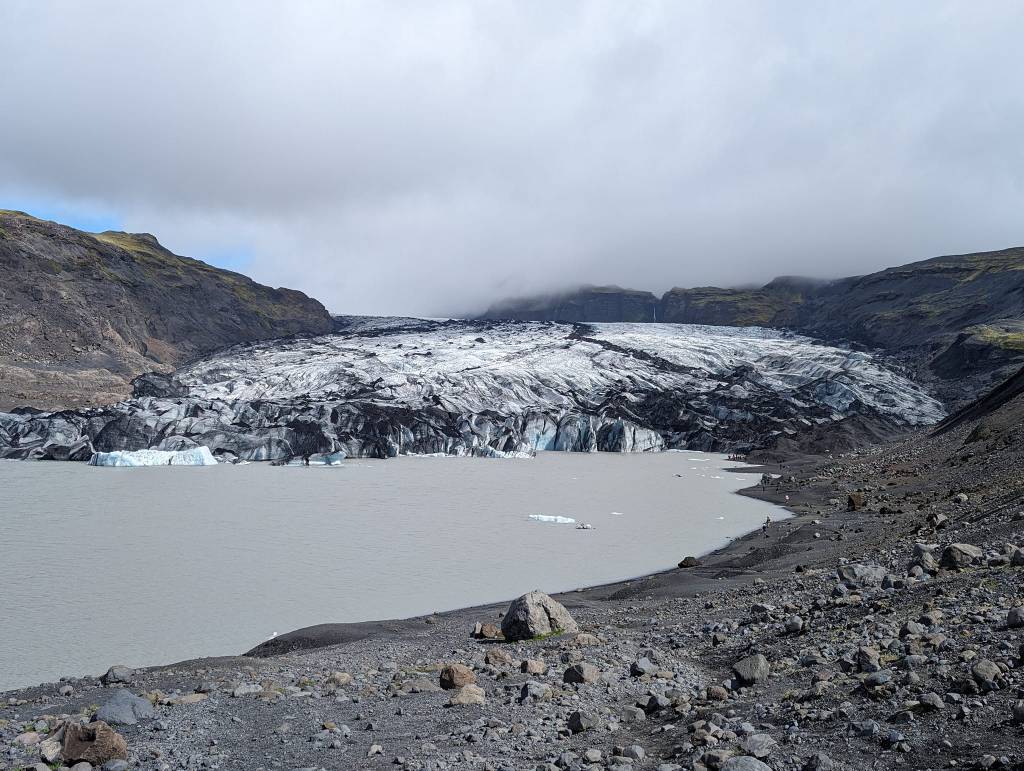
Solheimajokulll Glacier is a stunning glacier, accessible from the Ring Road (Route 1). From the car park walk up the track to a fence at the end. If you are not on an organised glacier hike or ice climb then do not go past this fence. There are signs explaining the dangers of walking on a glacier without the appropriate equipment, and the risk of rock falls from the surrounding cliffs (although these seem to be ignored by a number of visitors!).
The glacier has striking colours ranging from white, to blue to ash black, due to volcanic ash deposits. It sits between two active volcanoes which adds to its dramatic landscape.
Due to climate change, the glacier is receding rapidly losing about 40 meters of ice each year. Currently it stretches approximately 8km long and 2km wide in places but sadly it may be gone within decades.
It is possible to hike, climb, kayak and visit the ice caves with Glacier Encounter whose office is located in the car park.
Reynisfjara Beach
A dramatic black sand beach framed by basalt columns, the iconic Reynisdrangar sea stacks, which legend says are trolls turned to stone, and Halsanefshellir Cave.
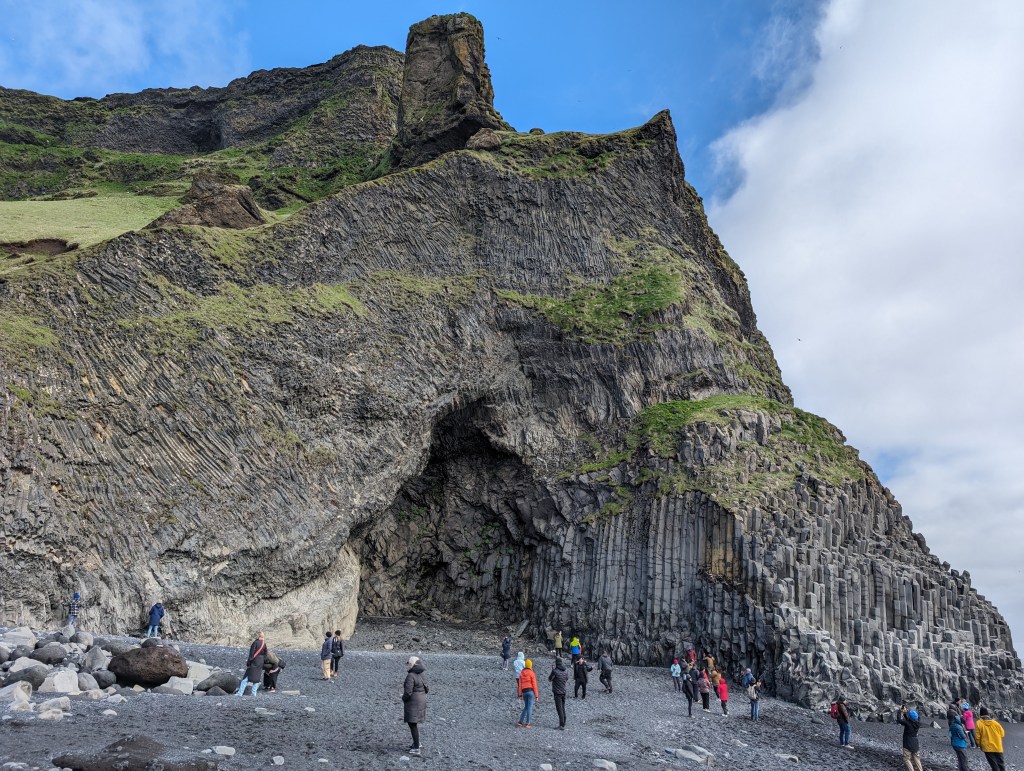
At the entrance to the beach there are signs warning of dangerous ‘sneaker’ waves and high tides. Please pay attention to this information and stay away from the water, as people die here every year. We were frustrated (and concerned) by kids climbing on the basalt columns – incredibly dangerous with the freezing water and strong currents beneath them. It seems some people will risk everything for the perfect photo!
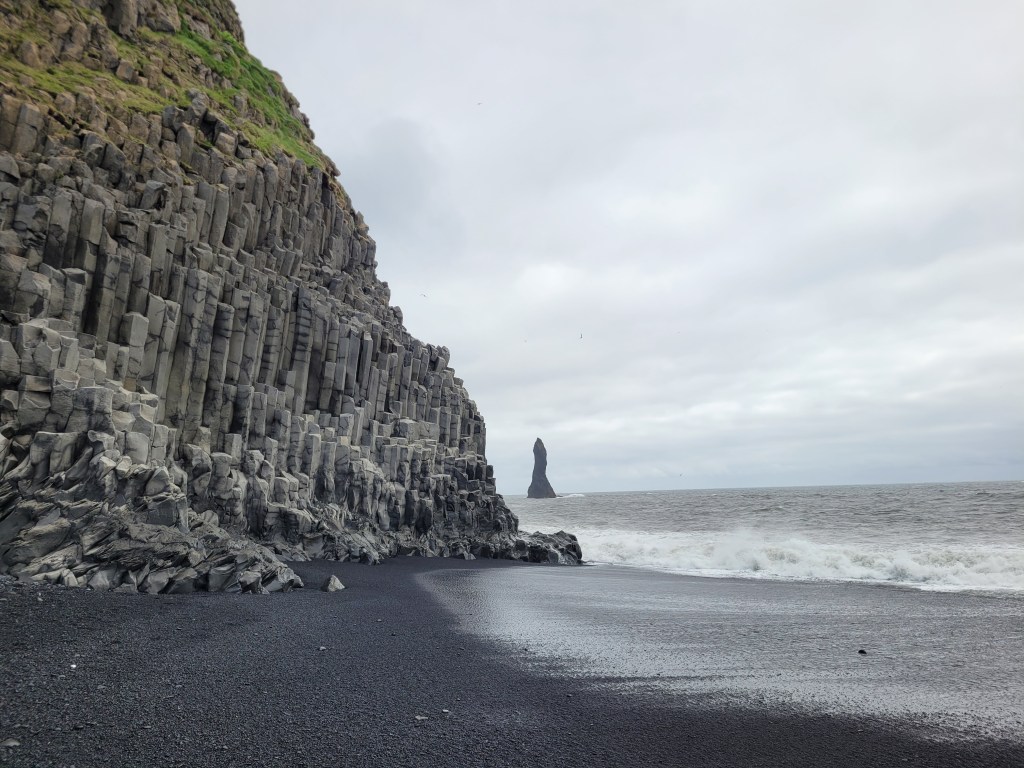
To avoid the crowds and tour groups, we walked along the beach away from the cave. It is an intensely dramatic location, very wild and beautiful, so was nice to experience it more peacefully.
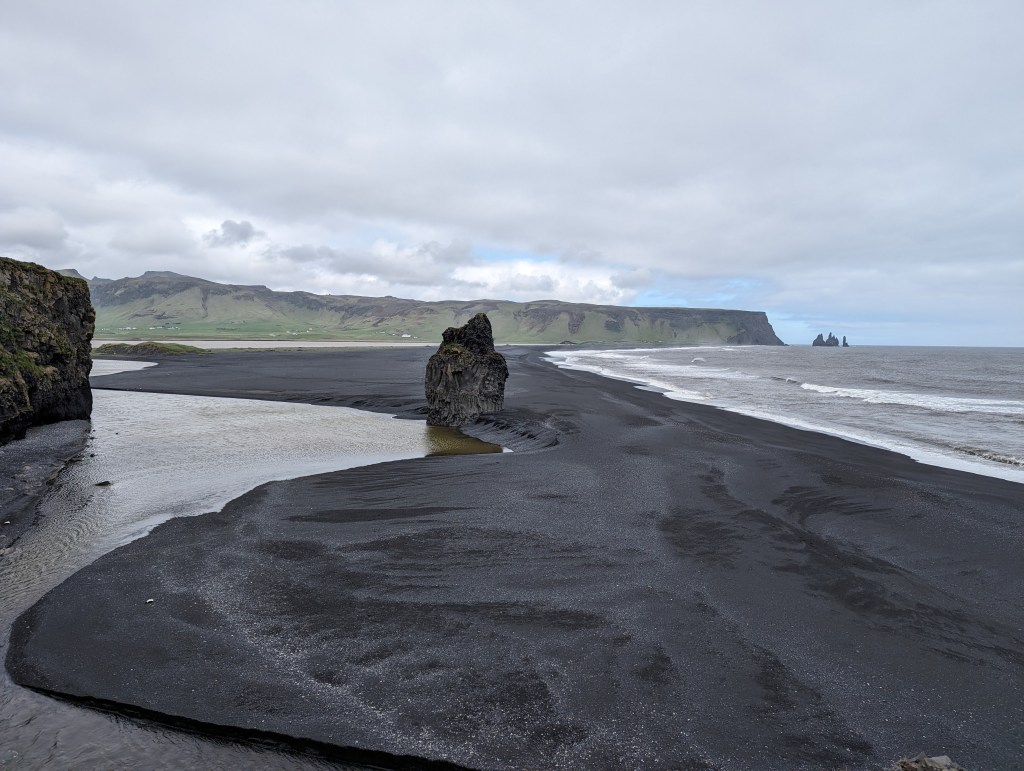
For a great view over the black sand beach head to Dyrhólaey View. There is parking and well maintained walkways around the promontory.
Uxafotafoss
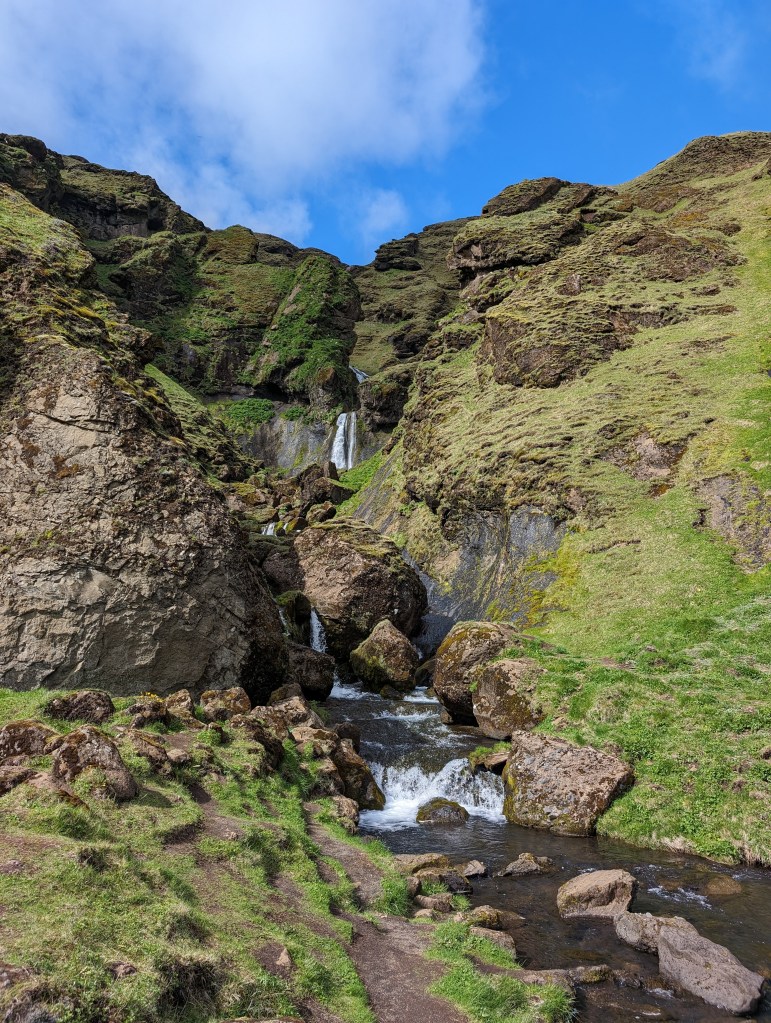
Surprisingly, this waterfall seems to be relatively unknown and we were the only people there at the time of our visit. Set back from the Ring Road, 2km from Vik, a gravel road runs from the highway towards the falls. There is a footpath to walk to the bottom of the falls, and alongside the river. Uxafotafoss is 45 metres high and drops down a narrow chasm between green cliffs. It is the perfect place for a picnic or to spend time away from the more crowded falls. We thought it was probably the prettiest waterfall we found during our trip.
Vik
Close to Reynisfjara Beach is Vik, the southernmost village in Iceland. It is very small but has a picturesque church above the village offering great views of the coastline.
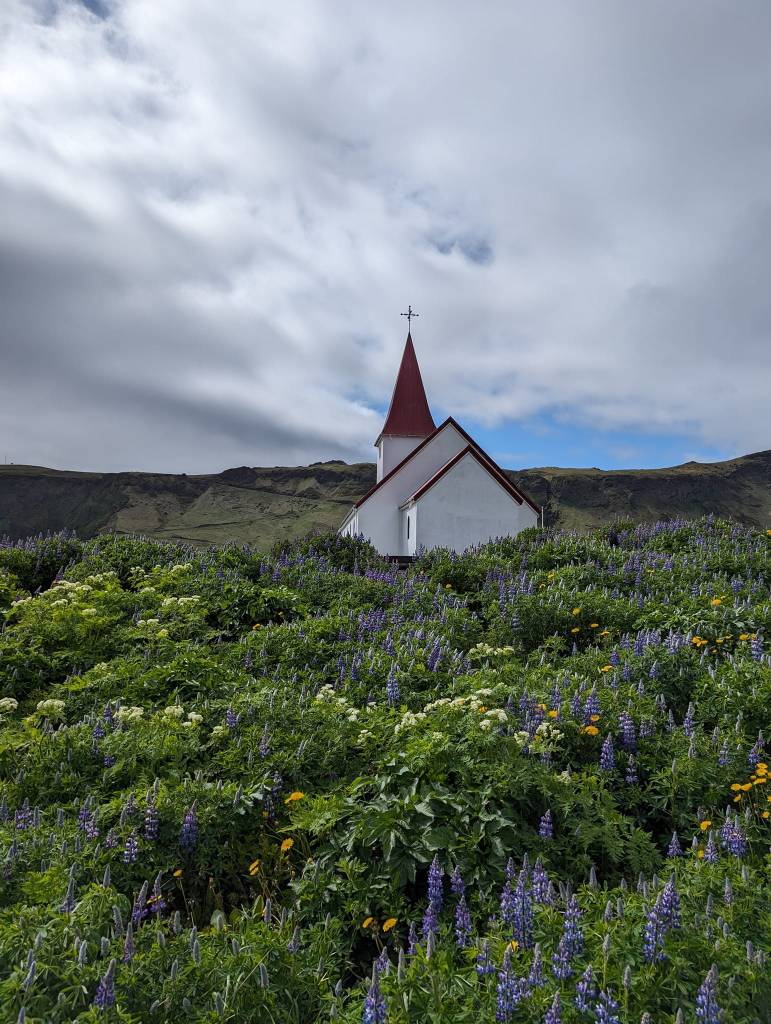
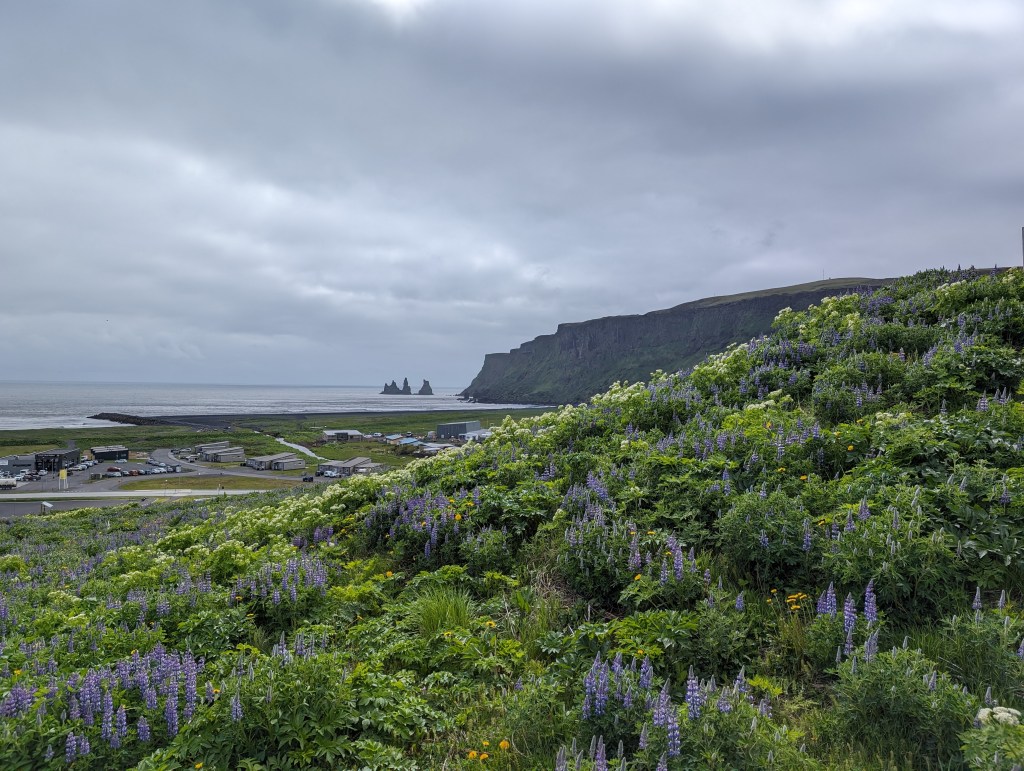
Vik is a popular place for visitors to stop if they are travelling the Ring Road. From here you can organise glacier hikes, ice cave tours, and ATV rides on the black sand beaches. During the summer months it is a good spot to see puffins, although sadly we didn’t see any on our visit.
Kvernufoss
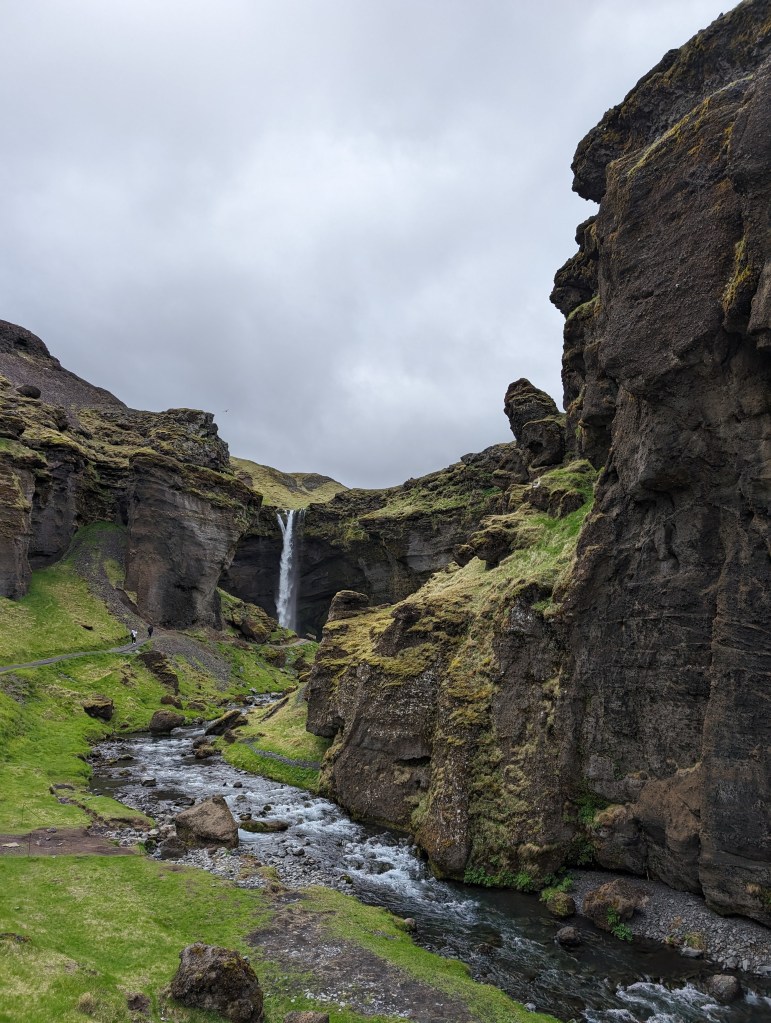
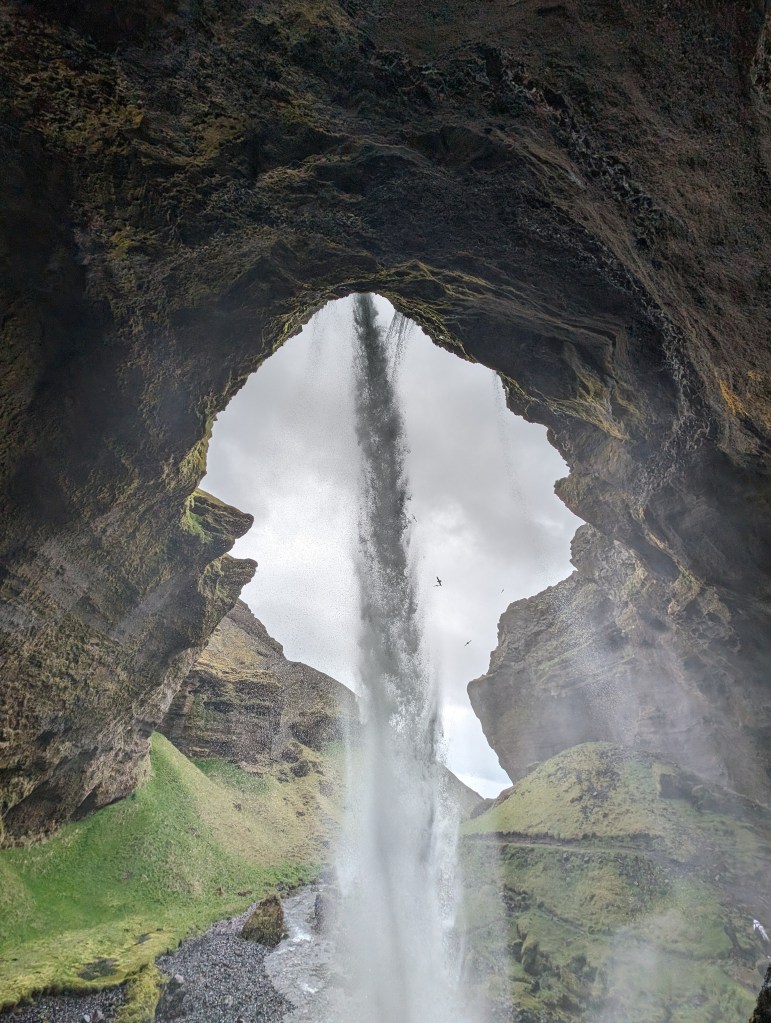
This hidden waterfall is situated in the Kvernugil gorge, a short distance from Skogar Cultural Heritage Museum. Despite its close proximity to Skogafoss it is often overlooked by visitors, making it a much quieter spot to visit. The 30 metre falls are partially concealed by moss-covered black volcanic rock cliffs which make it particularly impressive. One of the highlights of Kvernufoss is that you can walk behind the waterfall during summer months.
The hike to Kvernufoss is an easy route from the parking area and takes about 20 minutes. The trail starts at the Skogar Museum and follows the Kverna River into the gorge.
Day 6: Hveragerdi Swimming Pool and Horse Riding
Hveragerdi Swimming Pool
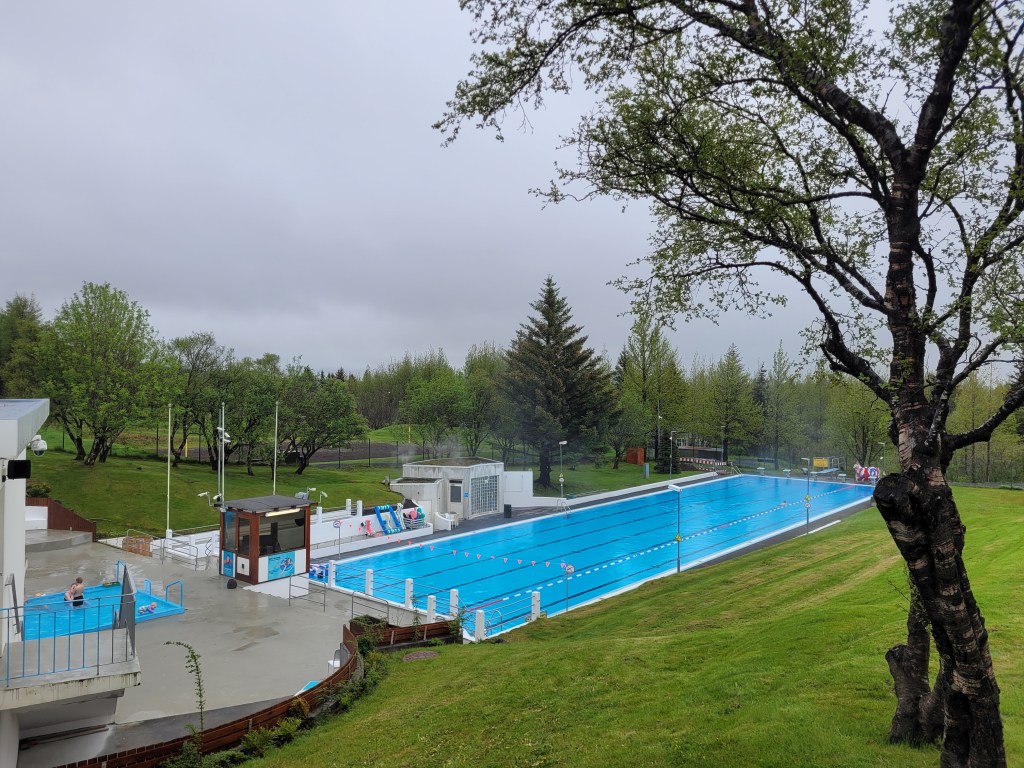
After a long driving day on Day 5, we decided to stay local on day six. The boys visited the local swimming pool in Hveragerdi. It has a 25 metre pool, a children’s pool, a hot tub, and a sauna. The entrance fee was 1000 ISK per person and included a locker. Despite being a swimming complex, the water in the pools is still from the hot springs, and often favoured by the locals over the better known, more touristy, hot springs.
Solstar
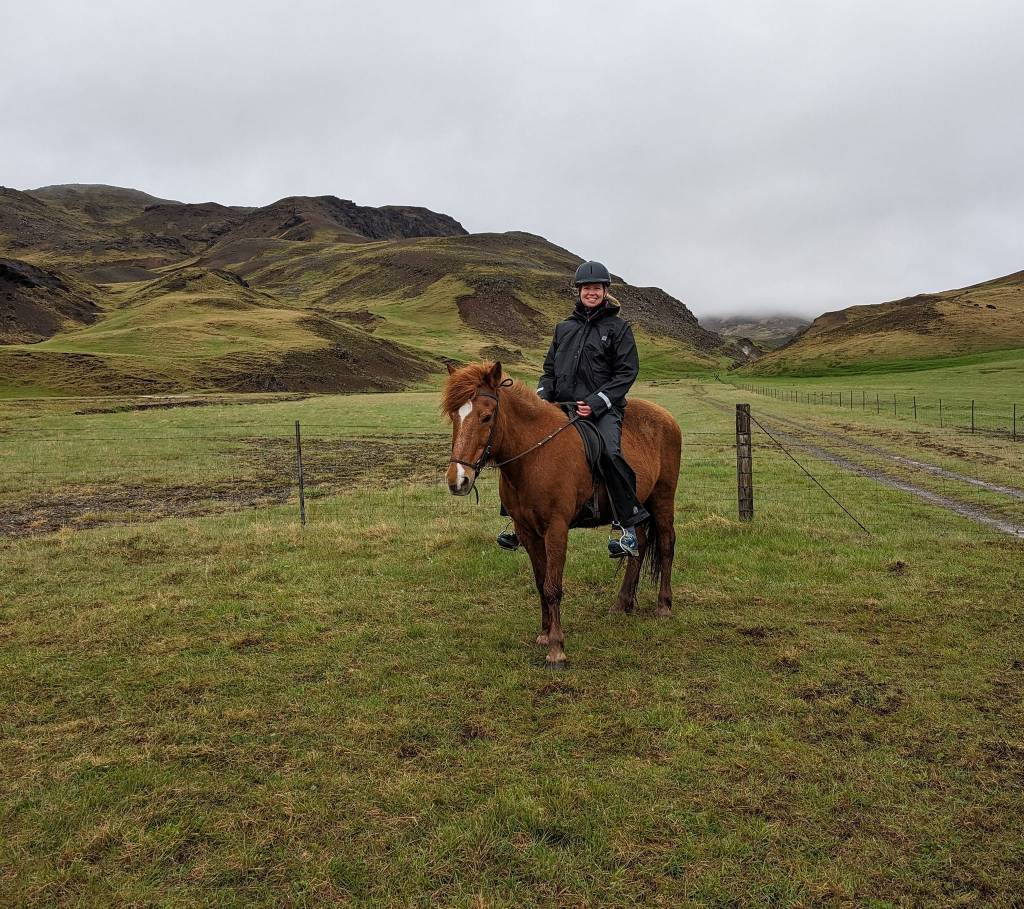
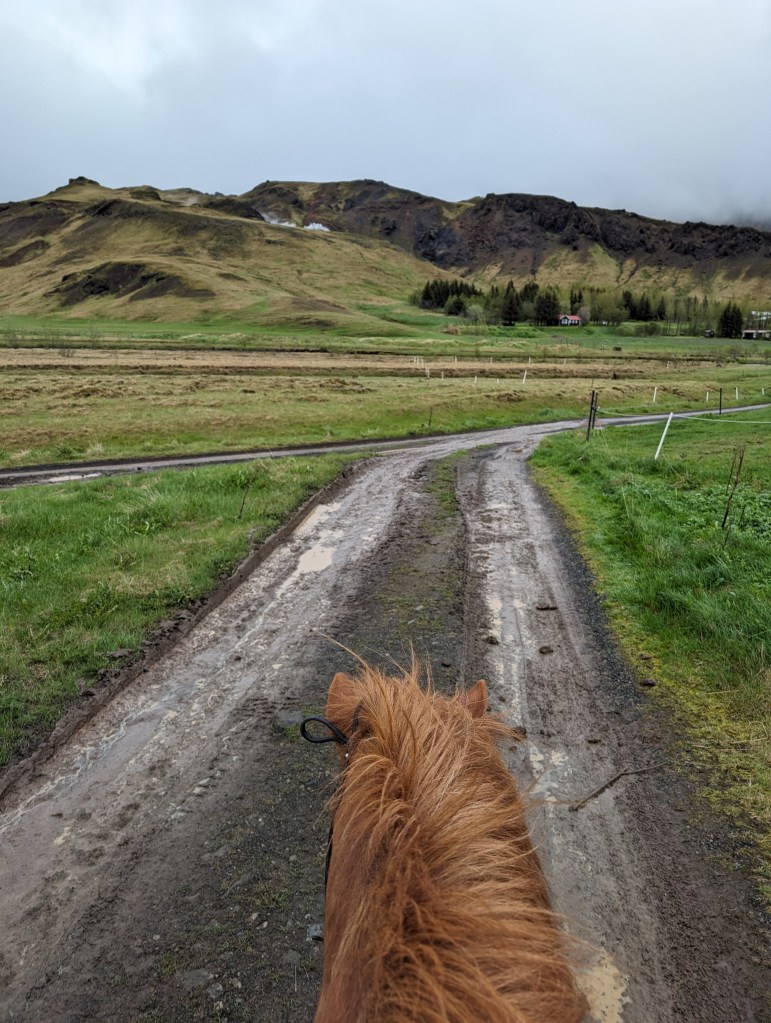
While the boys were swimming I went to ride a traditional Icelandic horses, and experience their unique gait – the Tolt!
I booked a 1.5 hour ride with Solstar, just outside Hveragerdi on the road to the start of the walk to the Reykjadalur Hot Springs. This is a family run farm that offers tours for all level of rider. There is a variety of routes and durations to choose from. Prices vary and include a helmet, boots and gloves if required. If the weather is wet, like it was the day I rode, you will also be provided waterproofs .
I arrived for my ride to be told that I was the only person booked for the morning. It was an amazing experience. The horse I rode was much smaller than I am used to, standing at about 14 hands. It had a friendly temperament and was very responsive. My guide told me all about the history of Icelandic horses, how they are used for long distance riding, cattle round ups and Tolt competitions. We then tried the Tolt. It was so different from the trot or canter that we are used to, very smooth, easy to sit to, and super comfortable. I can see why this gait is used for long distance riding.
Horse riding is still extremely popular in Iceland and there are riding tracks alongside most of the roads in the country, and in between them. In fact, I think there are more riding routes than there are roads!
Secret Lagoon – Again!
As we had a late flight the following day we had planned to visit the Blue Lagoon on our way to the airport. However, there had been another volcanic eruption during the week and the area was evacuated and closed. So instead, we decided to revisit our favourite hot spring on our final evening in Iceland – the Secret Lagoon.
If you have visited Iceland, what were your highlights?
There were so many places that we didn’t have time to visit. We’d love to hear where you recommend, so drop us a DM or find us on socials.
We definitely plan to return to Iceland soon, and explore more of this wild and beautiful country.

 Inspiring Adventure
Leave a comment